
Creatures of the Night
directed by Memi Koupa
Greece. 2021. 15 min.
Tormented by insomnia, the citizens of Athens experience a rare sighting of an elusive creature rumored to roam the streets at night.
by Jesse Knight
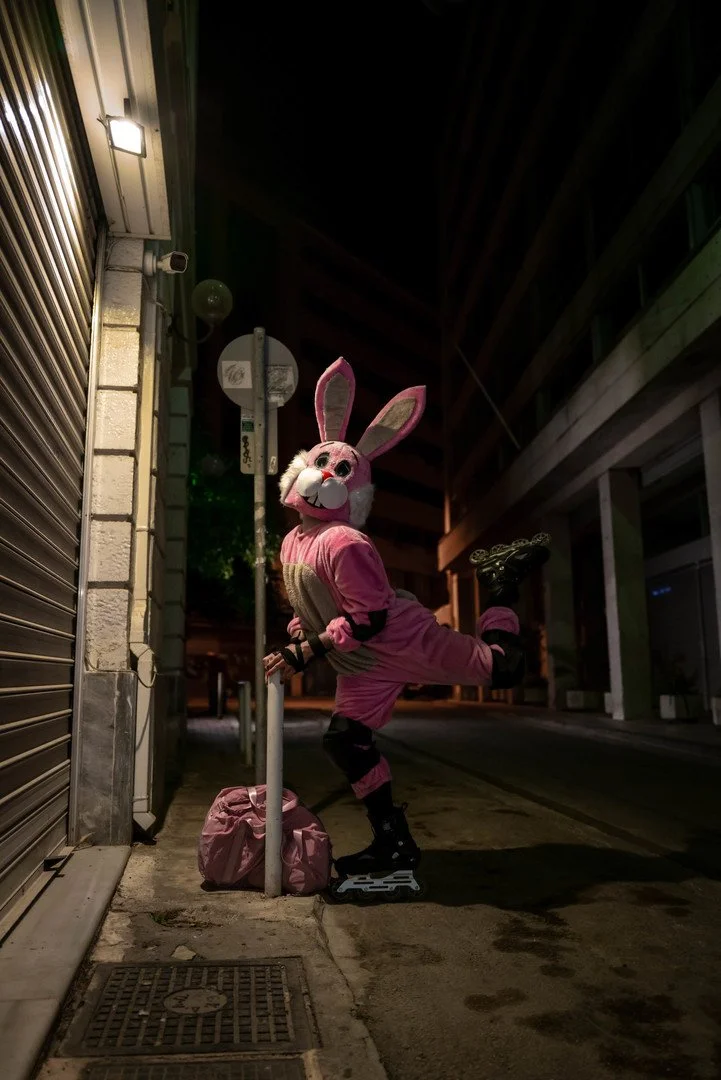
Shot during the height of the COVID lockdown in the stark, desolate streets of Athens, Greece, filmmaker Memi Koupa’s third narrative short dreams up an unlikely fabled hero, who arrives just as the angst and restlessness of an entire city reaches its breaking point. In this surreal and deadpan night-set tale, the revolution is pink, it’s queer, it’s punk, and in direct revolt of society’s hypocrisies, division, and cruelty.
It also rollerblades and wears a bunny costume.
Rewatching the film now, I’m surprised by how relevant it still is.
Writer/director Memi Koupa: I think so too. To me, it’s the ultimate goal to create art that has a timeless quality and relevance, but in this case it’s also a realization that our society is not evolving the way it should. There’s a regression on so many levels and it’s become a global phenomenon in our connected world. The socio-political conditions in Greece that made me create this film with a sense of urgency in 2020-2021 are now spreading in every other western country like a virus.
What inspired the film and why was it important for you to make it?
The film is a personal response to a series of transphobic and racist crimes that were taking place in Athens during the years of the financial crisis, which had given rise to extreme right-wing organizations and political parties. It was their members committing these crimes. The situation was really similar to what is happening in America right now. What sparked this series of crimes is exactly what's happening with ICE in the States lately, some kind of ethnic cleansing and a sense of revenge brought against certain minorities. The extremists were targeting the immigrants in Athens at the time, along with trans [people] and LGBTQ activists. Everything that was ‘’alien’’, that looked alien. In this sense the film is very relevant today.
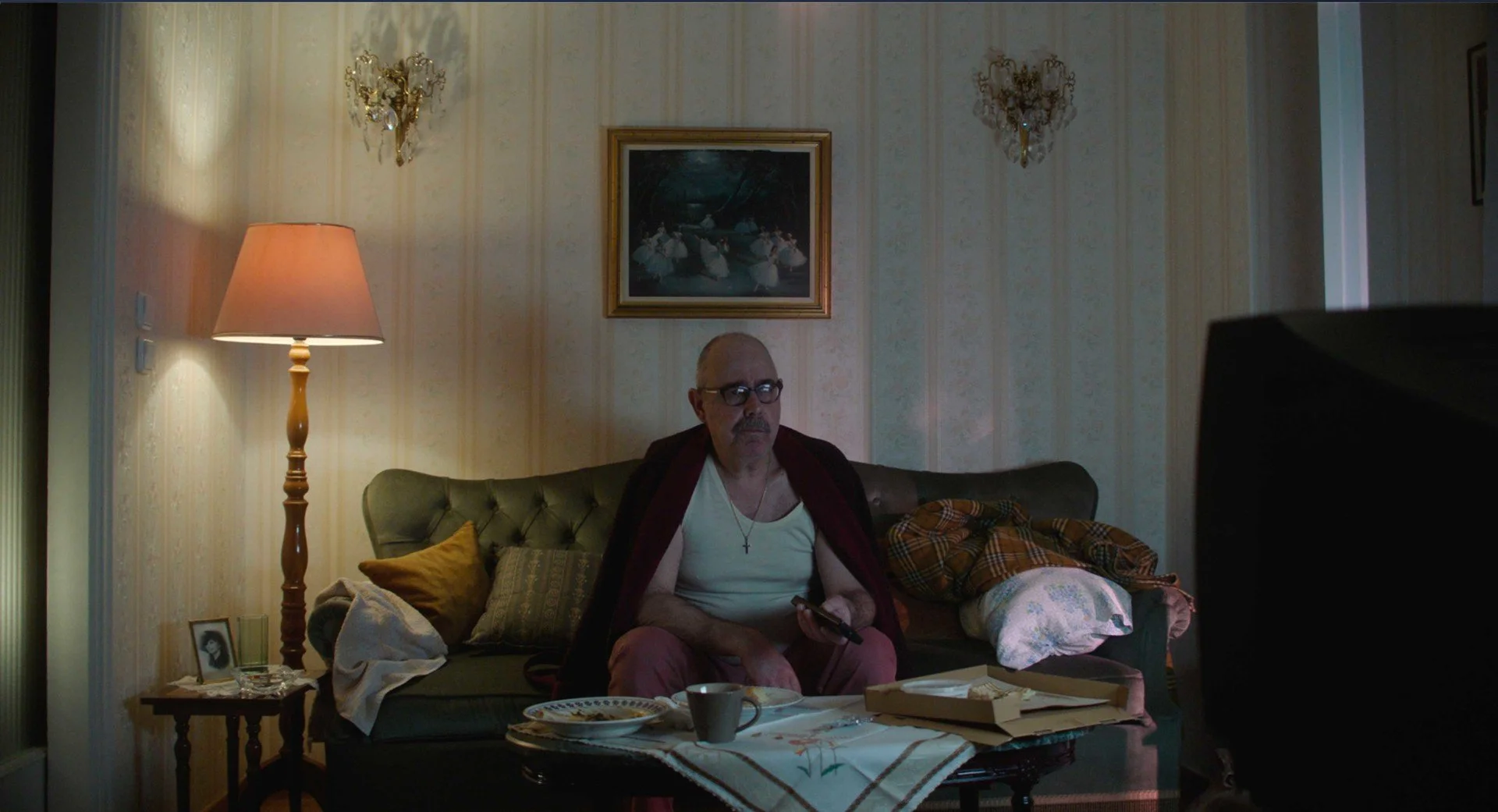
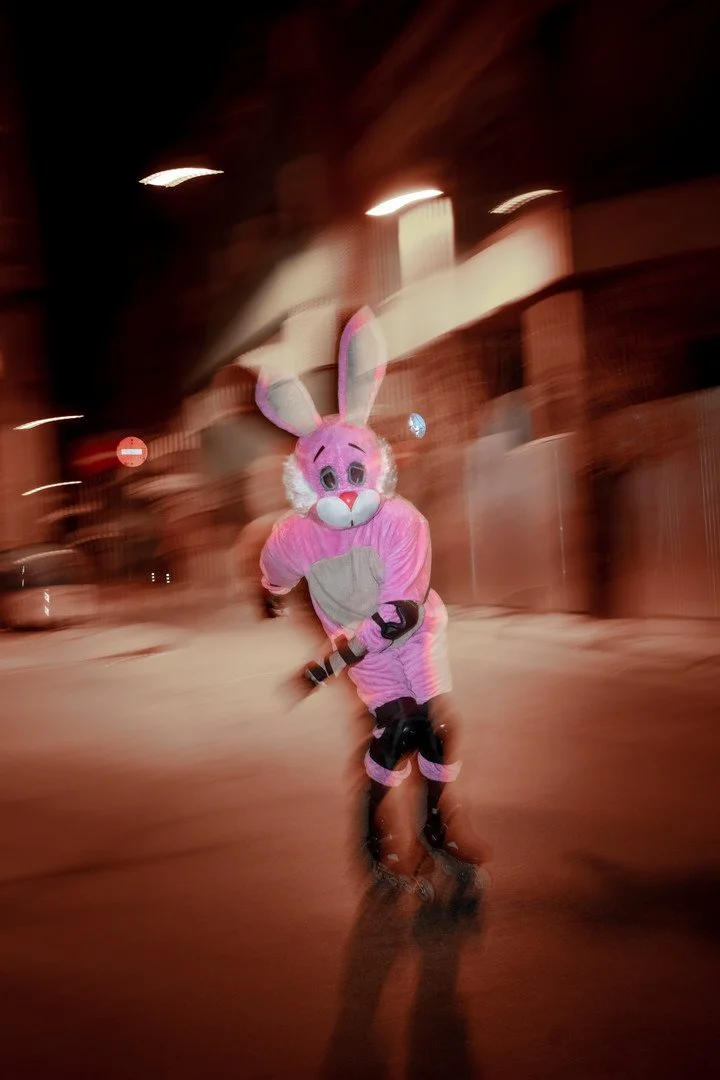
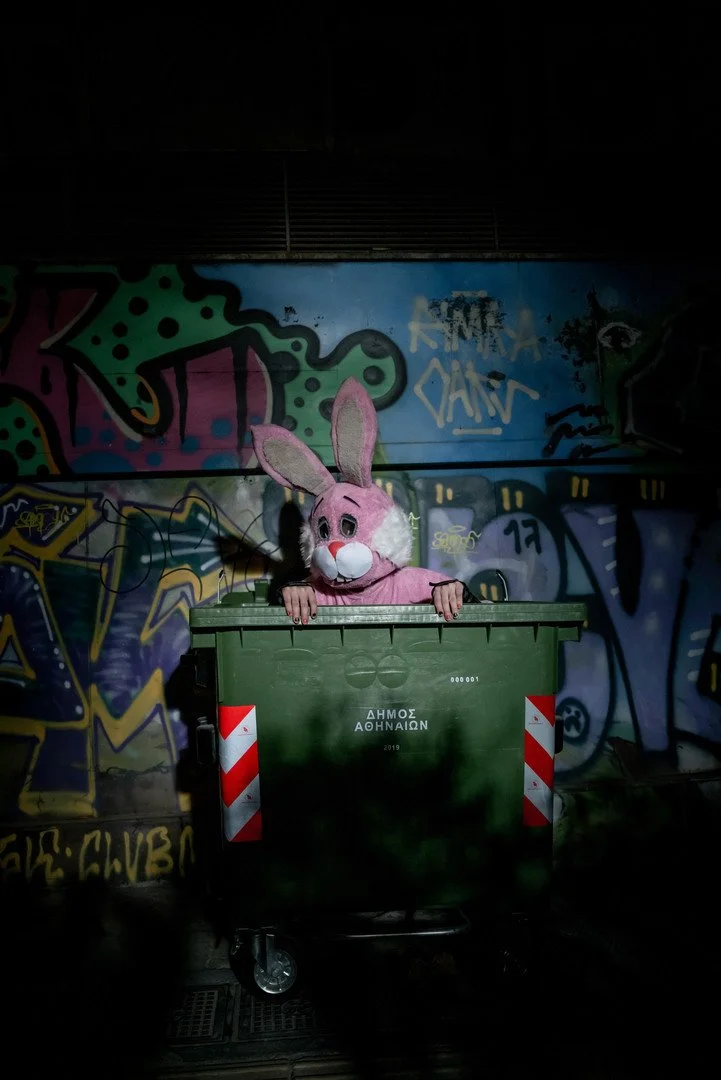
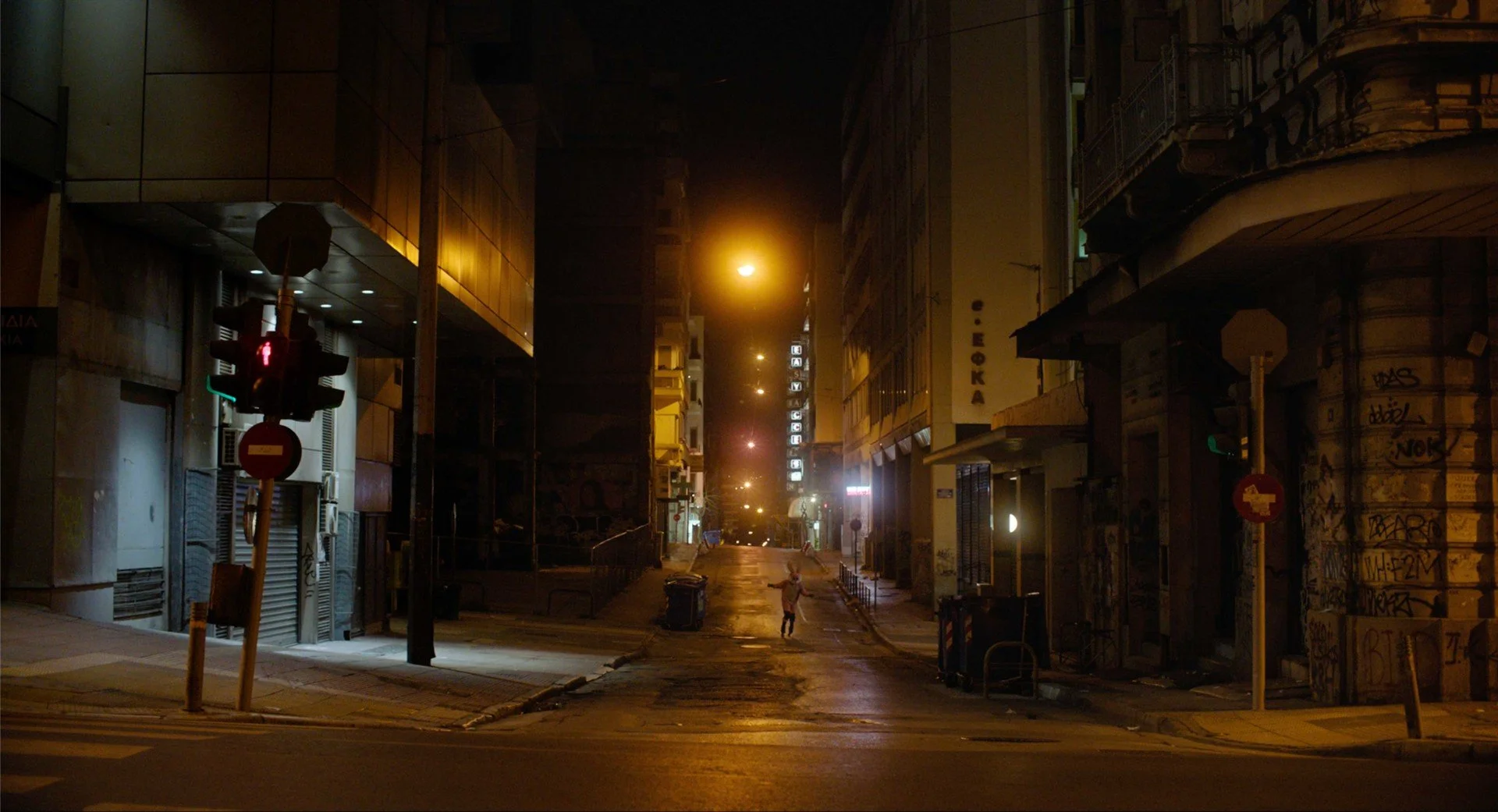
I wanted to respond to that, taking a stance that would not feel righteous or pedantic, but rather to create something that would be really fun and inspiring and with a deadpan sense of humor behind the whole drama. Also, because there was so much conflict and hate in our society at the time, I tried to do something that would not feel divisive. My intention was to spark acceptance and understanding, by bringing different lonely characters together. It’s the diversity of characters that hopefully suggests a spirit of tolerance in the end. From the very beginning I had this image for the opening scene in my head: the hero in all their loneliness appearing out of nowhere from a dark, desolate street. This and the sound of rollerblades breaking the silence of the empty downtown even before we get a glimpse of the hero’s bigger-than-life silhouette. I wanted the main character to be a genderless creature, but also a camp symbol, provocative, despite its innocence and cuteness. Everything a fascist would love to hate if they’d run into them. Our pink bunny’s disarmingly hilarious at the same time.
Why was it important for you to make something playful in response to something so tragic and sad?
Because if the sadness and the drama keep coming, it doesn't lead anywhere, really. There is no understanding. When things are more subtle and ambiguous, you also see the funny side, the hilarious side of things that is so inherent in human nature. We are really hilarious. We are funny creatures and that’s part of what makes us human and more tolerant towards the otherness. That was the spirit behind the film.
Was it always a pink bunny or were there other costumes and symbols that you were considering?
It was all the way the pink bunny, although at the end of the screenwriting process I realized that the film is also paying tribute to the roller skating community. Initially, the pink bunny roaming the streets on skates was an idea born from the concept of speed and the hero being elusive but omnipresent, giving them the ability to go everywhere all at once, never getting caught when they’re hunted by the cops, like a superhero guardian of the city.
Then, everything, the film funding approval, the pre-production, the shooting happened during the COVID lockdown. We had two major lockdowns in Athens. You couldn't even step outside the house if you hadn't sent a text message to the police saying, “I'll be taking a walk from 8:30 to 9.” You were obligated to have permission to do that. It was a desperate situation. During the lockdown people started to respond to all these restrictions in imaginative ways. A roller skating community emerged from nowhere in parks and a few streets here and there. That gave me the idea for the party scene in the park where all the roller skaters come together at the park after the bunny’s murder to honor the hero’s memory.
“I really love the representation of lonely characters in films. There’s always some kind of magic around a lonely character.”
Putting the pink bunny character on skates was really fun, but also challenging. In the beginning we started working with a dancer who had acting experience. We rehearsed for two months until we realized that we also needed a real hardcore skater with more advanced technique for a different kind of action. We ended up shooting some scenes with a really experienced skater. You cannot tell the difference. I have to mention that creating the character demanded a lot of research from the art department, especially regarding the mask, the head and face of the pink bunny. I needed to have control over the facial features and expression. It was really important to work with a ‘’face’’ that can evoke very specific feelings and doesn’t feel inanimate. I also needed to hide a biker’s helmet underneath that would keep the actor safe during a fall. Following a series of trials and errors, we came up with a whole new list of needs—how to improve the actor’s vision, breathing, balance, mobility. We worked with different artists working for VFX and stage productions costumes, mainly. It was a fun process, super creative, all of it happening during the lockdown, which made some things harder and some things easier because industry experts were more available for hire. I remember that even the background actors were so excited to come take part in the shooting because it was their only chance of stepping outside at night. So, during filming our set was like a big party in the empty streets of Athens. Apart from that, you only had deliveries and cops going about. We brought the party vibe back to our city.
The score is so evocative and fits so well, adds so much. What was that process like, working with Kid Moxie?
We have collaborated with Kid Moxie on two of my short films. I really, really love her sound. I think she's very perceptive and talented. I just had to say one word to her and she knew exactly the kind of ambiance that we needed to create. Before starting the pre-production for Creatures of the Night, she was the first person I gave a creative brief to. I felt I could not start working on the film if I didn't have a film score to listen to and be inspired by. Music and sound is such a huge thing for me. It shapes my reality. She created the main theme, and I started working with my headphones on, listening to that every moment of the day and night, imagining the world of the film in every detail.
“If the sadness and the drama keep coming, it doesn’t lead anywhere, really. There is no understanding. When things are more subtle and ambiguous, you also see the funny side, the hilarious side of things that is so inherent in human nature. We are really hilarious. We are funny creatures and that’s part of what makes us human and more tolerant towards the otherness. That was the spirit behind the film.”
In terms of other casting, talk about that process. What you were looking for, and what it was important for you to find?
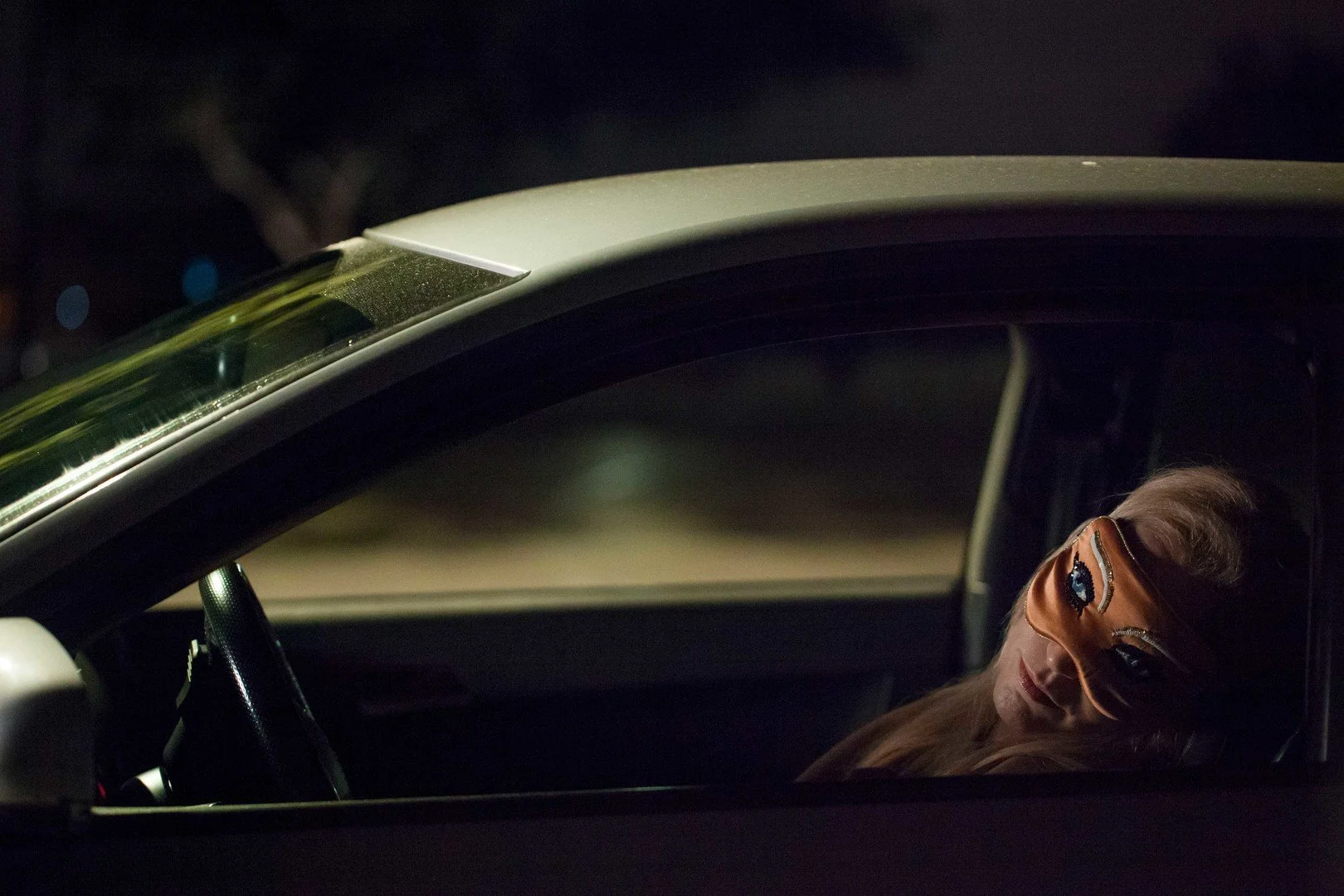
Different representations. My main focus was on trans representation, so one of my main characters is a trans woman (played by Nassia Sydeta) with whom we had an exceptional level of understanding and a sense of complicity. The film ends with the camera closing in on her face as the first ray of light appears during sunrise. To me, her face and character is like a manifestation of hope amidst all the grim conditions that Athens and its humans have been through. I was also looking for different types of lonely people who would stay out late at night in the city in a dystopian condition because in the film these lonely characters are suffering from insomnia and stress. They're on their own in different parts of the city. One of my favorite spots to shoot, but even to drive by on my own late at night when I can't go to sleep, is on top of the hill right next to the Acropolis of Athens, Lycabettus Hill. There is a parking lot on top of the hill where you can see the city lights. I knew that I wanted to shoot a scene there—where the club kid during his high meets a lonely woman in her car—I think loneliness was the theme for the other characters. Lonely characters is something that I really love in films. There's always some kind of magic, an aura of mystery around a lonely character.
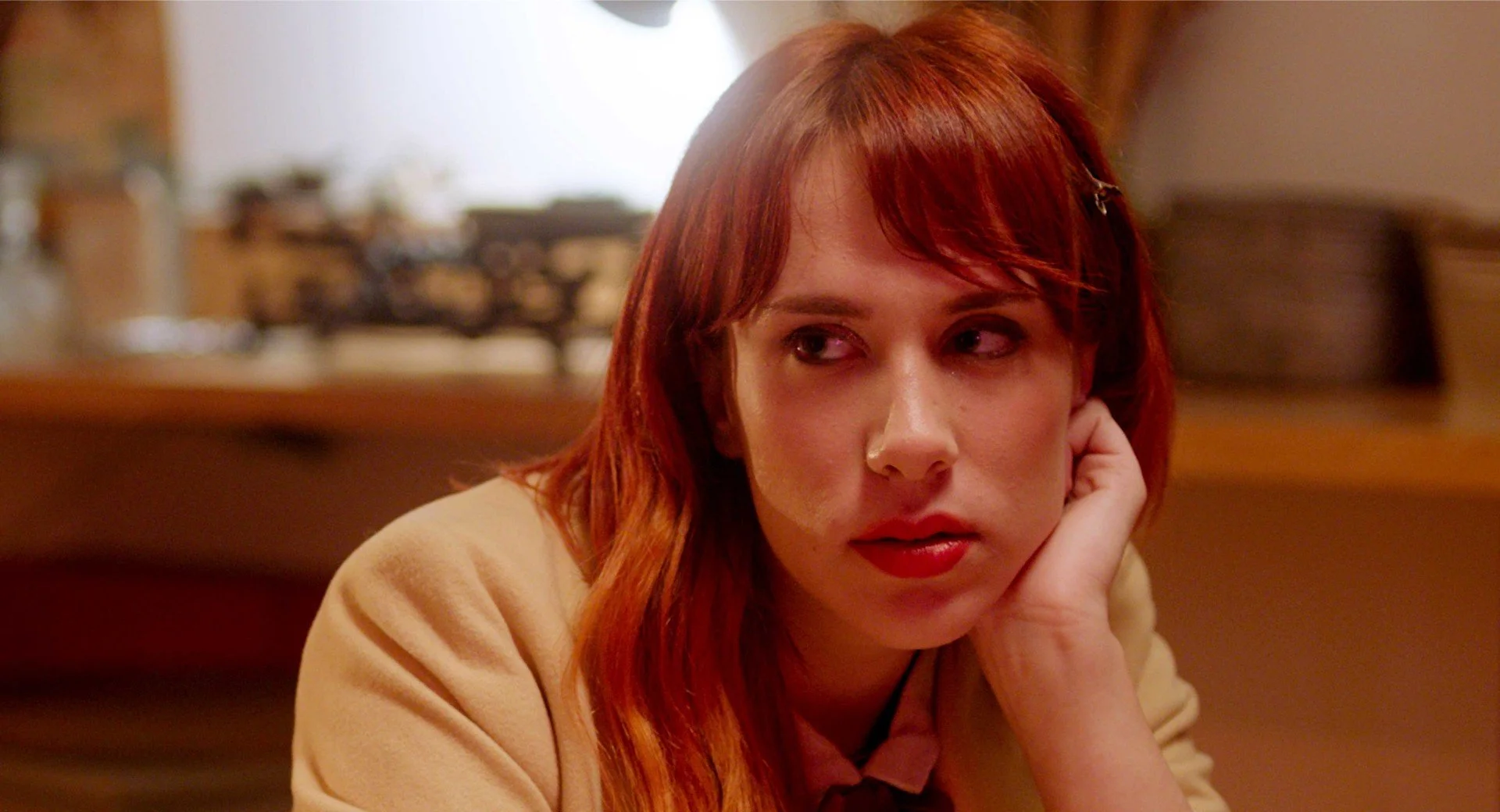
Do you have any favorites?
Oh, in every David Lynch film. In Gus Van Sants' films. I think it's a constant in auteur films, from the beginning of cinema up to today. It inspires me and it’s very characteristic about the kind of films I'm doing. This theme is always present. Lonely people roaming the city streets, especially at night, looking for someone or something. Brief encounters between each other. And a camera.
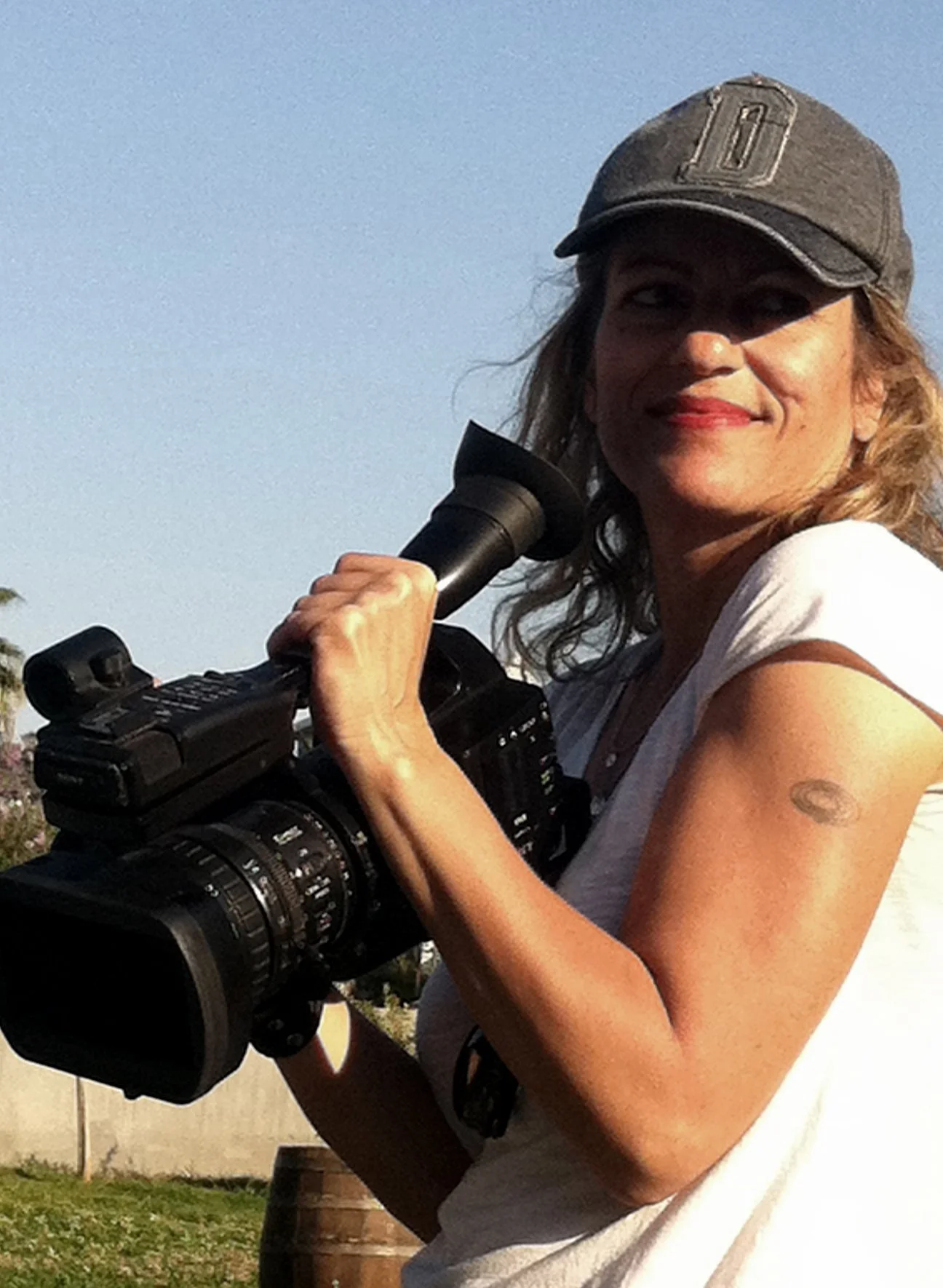
Memi Koupa is a multi-awarded writer/director of short fiction, TV commercials, branded content, and immersive video installations. At a very young age, she founded her first production company in Athens, Greece for documentary and TVCs production and worked as creative director/producer with some of the most prominent Greek film directors.
A few years later, she pursued the production of docudrama series as screenwriter between San Francisco and Greece. Years later, she followed stage performance classes and worked with choreographers and performers for stage productions and immersive shows, engaged in directing experimental shorts, music videos, and TV commercials, and participated in group art shows as video artist. After attending several workshops for directing actors in London, she directed her first short fiction in 2016.
Since then, her short fiction films have screened in major international festivals: AFI Fest, Palm Springs ShortFest, Encounters, Drama ISFF, and many more.
In 2025, she founded her own production company, mk_athens films and produced, co-wrote and directed ELLIOT, a short film completed in 2026.
She is currently working on her debut feature SHE SEES as writer/director.