
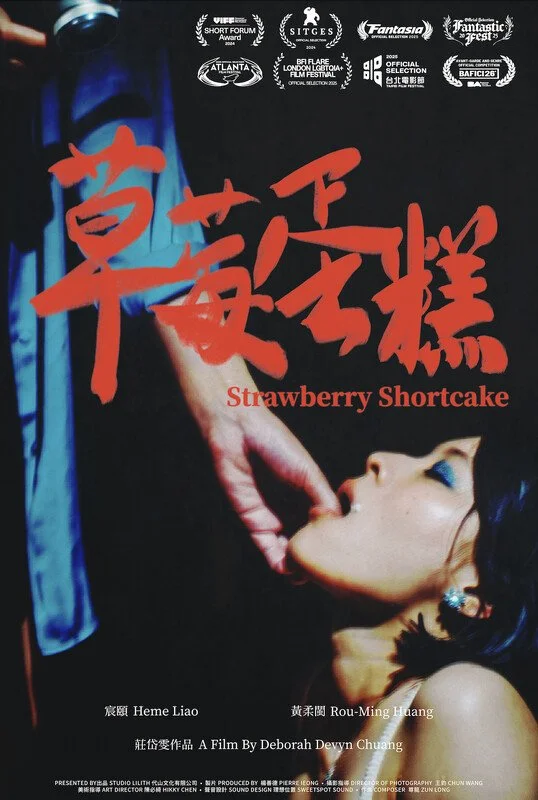
Strawberry
Shortcake
directed by Deborah “Devyn” Chuang
Taiwan. 2024. 21 min.
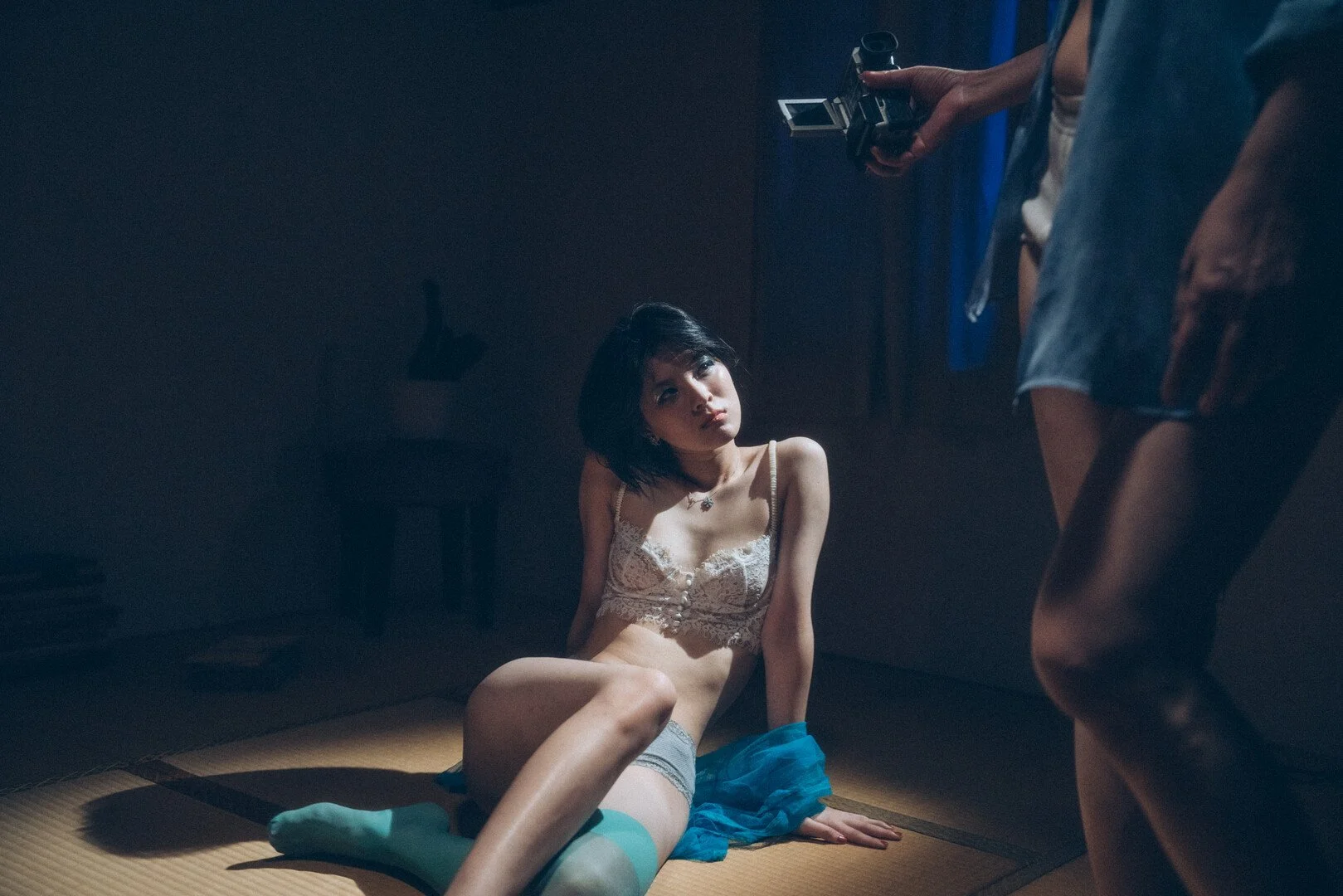
As 16-year-old Lolo sinks deeper into a surreal Freudian loop, the boundary between reality and dreamscape becomes increasingly blurred.
by Jesse Knight
berry berry lady
What was the initial inspiration for the film?
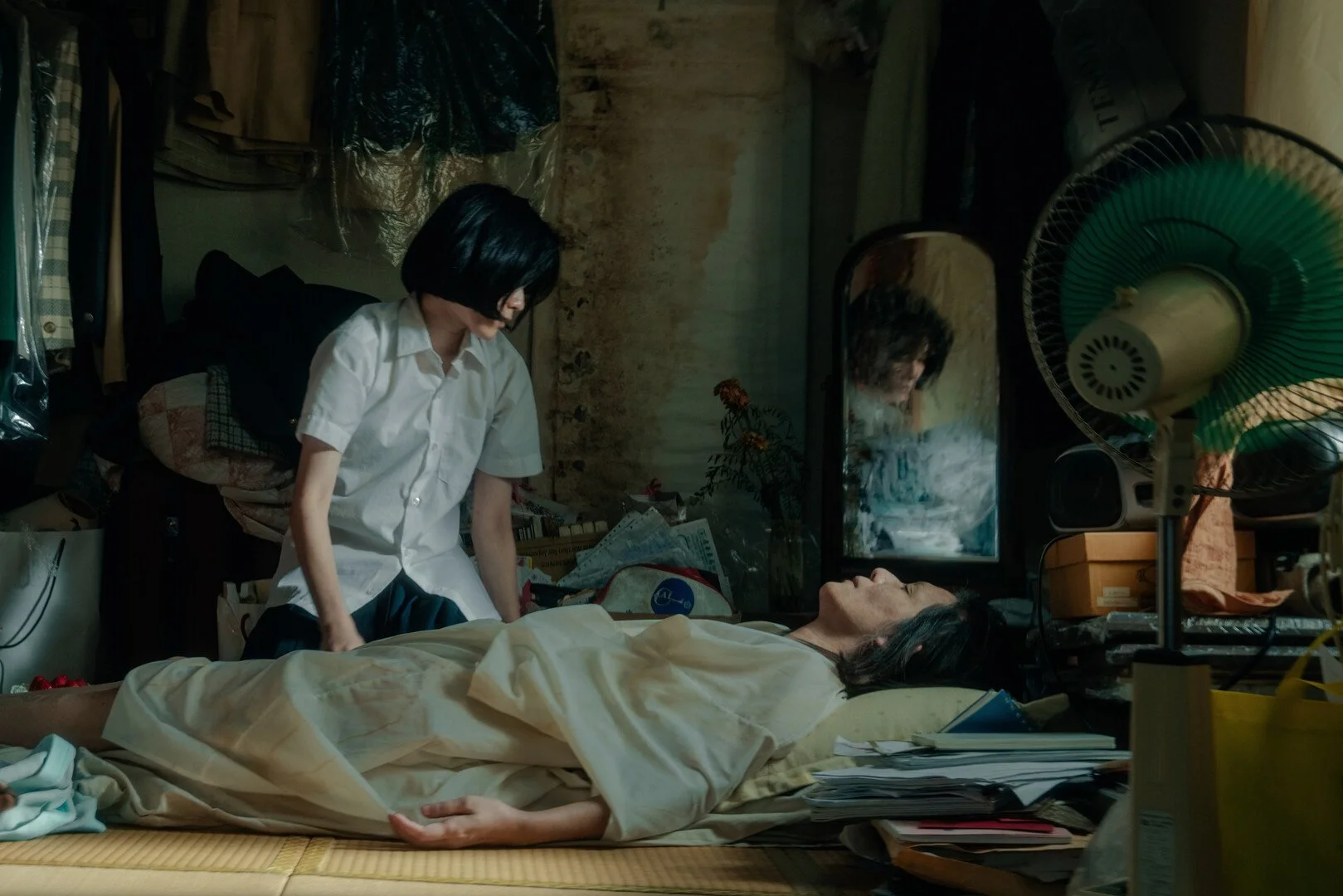
Writer/director Deborah “Devyn” Chuang: In Taiwan, where my family is from, a lot of the homes used to have a tatami room because of our colonial past with Japan. We had one in my childhood home, and it was used as a guest bedroom. A lot of the time it would be empty, but there were all these decorations inside—all these Noh masks and samurai stuff that seemed a little bit eerie. I remember when I was young going to the bathroom at night and I would pass that room and it always seemed like a haunted space.
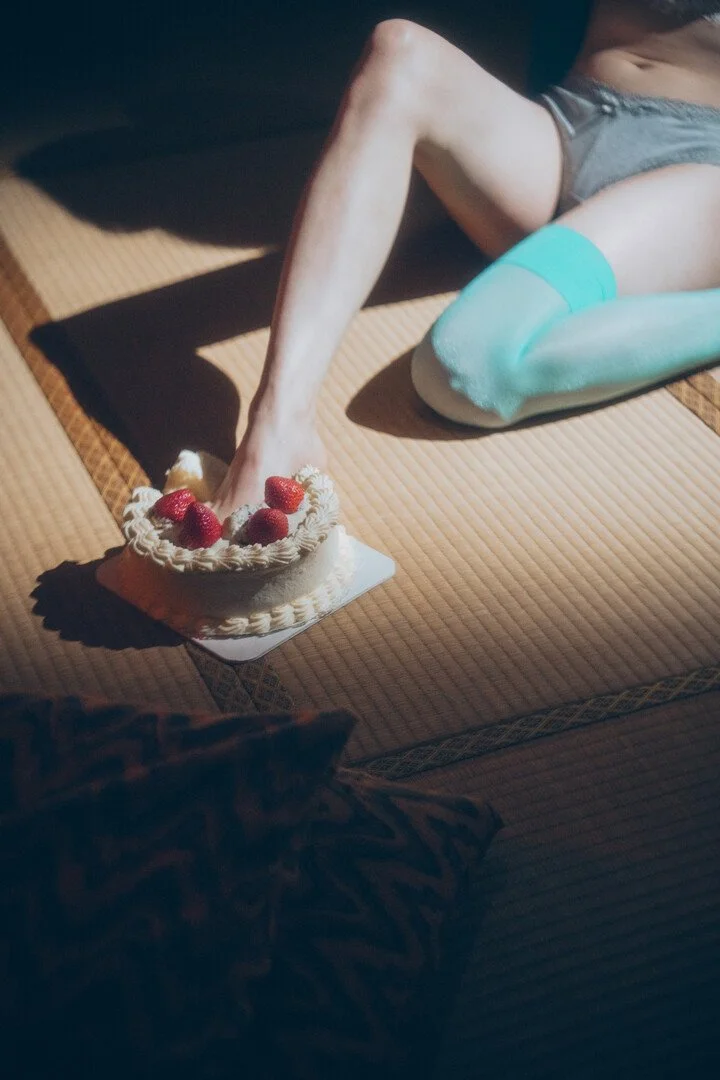
Fast forward to my 20s: I was on a trip to Kyoto, and I was at this vintage bookshop that had this section of weird fetish magazines from the ‘80s or ‘90s. They had these really beautiful photos of feet stepping on different kinds of food, and I thought that was such a striking image. It didn’t feel sexual. It was very aesthetic and very beautiful, and it stayed in my mind. So it was a combination of the room that I wanted to explore as a nightmarish space, and also that particular fetish image, and then my own journey with my mother. I’ve always had a very intense relationship with my mom.
Why is it important for you to rely on genre and transgression to explore all these different themes in your films?
I think genre is just something I’ve always been fascinated with. Since I was a kid, I loved ghost stories. My dad used to tell me all these ghost stories, and I would be so scared that I wouldn’t be able to go to bed. I feel like those are the stories you remember, and that’s the type of filmmaking I aspire to. I want people to viscerally remember my stories and visuals, so genre is always in my approach to storytelling. I’d actually never understood why I was so fascinated by it, but I did some film studies at Columbia and now I realize that there is a strong connection with queer stories. A lot of genre stories are very queer coded. The monsters are either depicting queer people or immigrants or people of different identities. It all made sense to me why I was so fascinated by it, given who I am and the stories I wanted to tell.
A lot of films coming out of Taiwan these days still kind of live in the shadow of some of our Taiwanese New Wave masters, like Edward Yang, Hou Hsiao-hsien, and Ang Lee. I feel like a lot of the younger—even people in our generation—are still trying to replicate or extend that wave. I want to do something that’s different from them. A lot of those movies are naturalistic family dramas, which can be a bit too tame for my taste. I’ve always gravitated toward the extreme, and I want to show that Taiwanese filmmakers are able to do that as well.
I feel like people have forgotten that horror can be fun.
The world is hard enough. My big goal is to make something that feels like a roller coaster. That's fun, but also has hidden messages in there.
“Wow, my movie gave someone a seizure.”
In all your films you’re asking certain things from your actors that they may not have been asked before. What were you looking for in casting?
I tend to cast people that are a little bit different. A lot of time while casting, I’ll have a casting director or my crew or my producer [Pierre Ieong] with me, and a lot of the time we vote. It comes down to two people, and I always pick the dark horse, the one that isn’t everybody’s first pick. Maybe it’s because my movies are not conventional, but I wouldn’t always pick the choice that makes the most sense. They’re always a little bit off. But I stand by my choices.
A good example of that is [in] my newest film, Trauma Dumpling, I ended up working with a trans actor [Elio Kennedy-Yoon]. That was not written in the script, but when he came to audition, something about him was very appealing. I wanted to work with him, [so] I rewrote the character for him. I guess it’s a vibe thing.
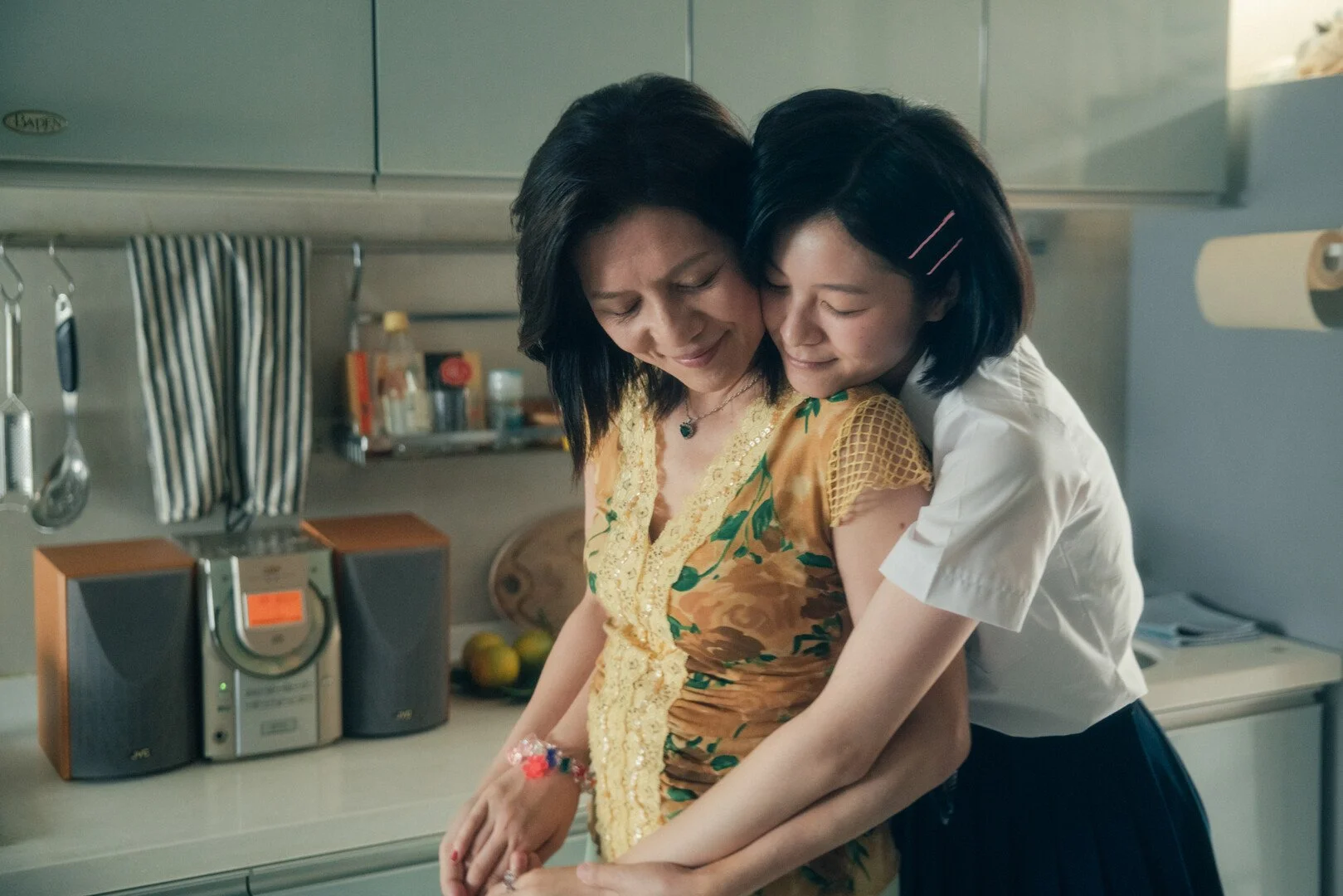
For Strawberry Shortcake, [Heme Liao] actually was a child actor who had stopped working for a little bit and had just gotten back to acting. She’s a strange one because she has such depth and sadness in her eyes. She’s such a different person on camera. She’s really in her [own] world. But she’s a completely different person when she’s not on screen. She’s just a regular teenager. It’s so fascinating to see how she’s able to switch. She had never done an intimate scene before, let alone an intimate scene with an older female actress. So, [this film] was her first foray into this world. We had worked a lot with her to prep her for it. I hired one of my actresses from my last film [Yu-Xuan Wang] to serve as an intimacy coordinator, so she felt like she was protected. The funny thing is [Liao] actually had this fear of exposing her foot. She felt more naked by showing her foot than showing her body. We had to work through that phobia. We went to [get] pedicures together, she got a foot massage. There was a process. We had to make her feel comfortable with her bare foot. I think in a way that might be why it worked, because to her it was such an intimate thing. She would also see someone’s bare foot and feel like, “Oh, I’m seeing too much.” She treats her foot like it’s a private part. That made the images even more powerful.
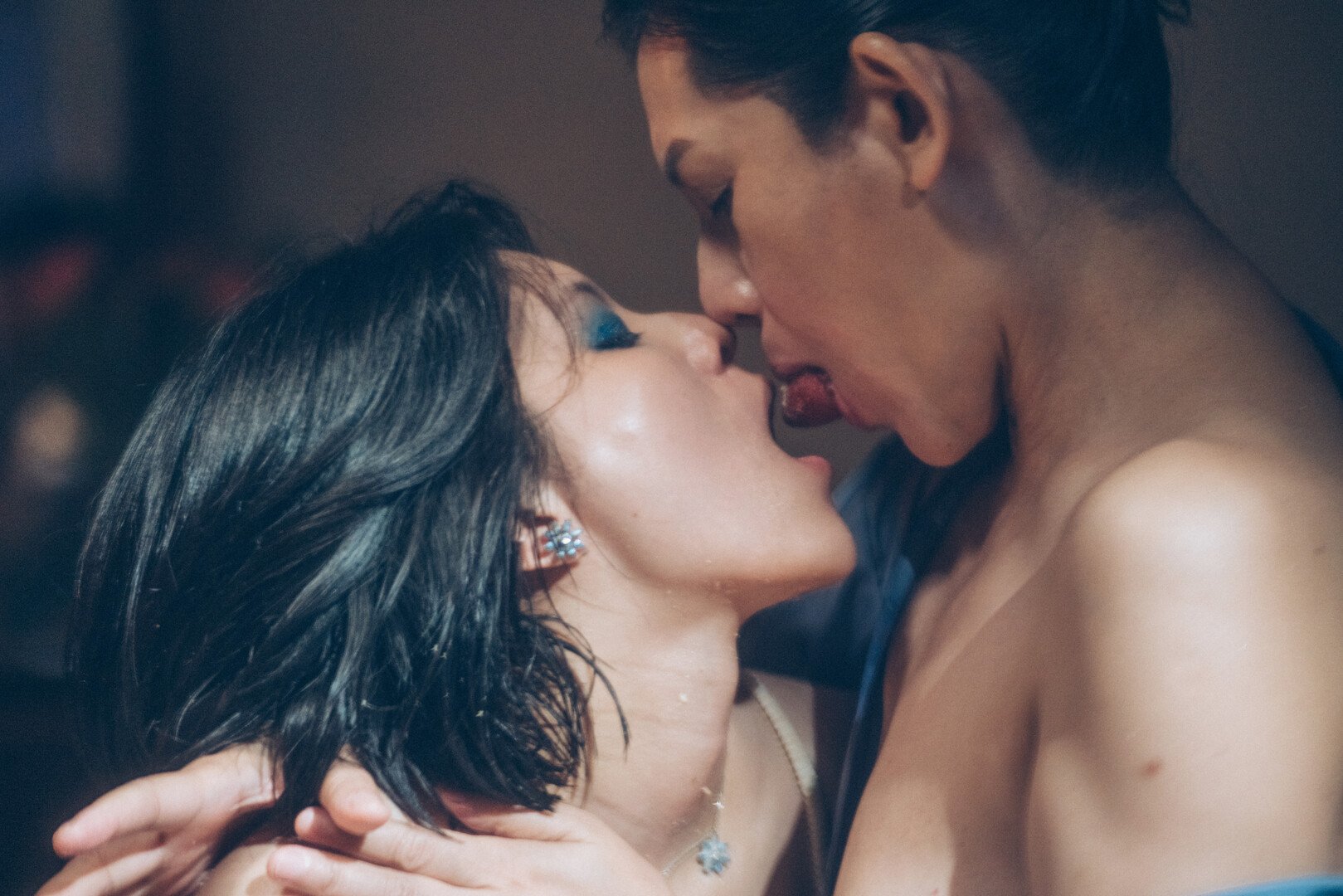
When it came time to shoot the intimate scenes, what was your approach to directing and choreographing them?
That was actually surprising because we were all very nervous about it and I haven’t done something like that before. Also, we didn’t have an infinite amount of cakes, so we were limited to maybe three takes for that sequence. So everybody was nervous. The intimacy coordinator [Yu-Xuan Wang] really helped me out because being an actress herself, she really understood my vision, and her communicating and helping me choreograph the intimate scenes with the actors was extremely helpful.
We had different rehearsals, intimacy rehearsals, where we got the actors to be comfortable with each other’s bodies and movements. I also made sure that they knew each other. I took them out to dinner and we went out and talked about our own lives. After all that, we started choreographing it. We had very precise choreography. I think we only had one real choreography rehearsal, and then we just went for it.
And when we did it, surprisingly, that was the first or second take. When we were choreographing, they were actually not kissing. There was no intimacy, so we had no idea what it would look like. We first saw it on screen and it was more explosive than we had imagined, which was great. It was surprising for me to see, too, because I was looking at the monitor and thinking, “Oh my god, I can’t believe that they’re doing this.” I felt very fortunate. The magic came together, and the first time everybody saw it was on screen. It’s all about building trust, right? Both actors I felt really trusted me, because it’s a big ask and we spent a lot of time communicating beforehand about all of this.
“We shot in Taiwan during the summer time, and there were no strawberries. It’s a winter fruit in Taiwan. So we were very worried that we would not be able to source good strawberries. We were thinking if there could be other fruit, but ultimately I said, ‘No, it’s too important. Even if we import it, I need it to be strawberry shortcake.’”
Are there extra steps you need to take as a director in order to build that level of trust?
I feel like everybody is different. [With] the mom [Rou-Ming Huang] it was easier because I’ve worked with her. When I was making Mom, If I Were a Vampire, I was just starting out. I didn’t know anything, [but] as we worked together more, and with the success of my films, this time around I could feel she trusted me a lot more, and that was easier on my part.
The only thing that was kind of hard, the hurdle I had to jump through, was with her exposing her body because she had had a mastectomy. She went through cancer, so it was vulnerable to ask her to do that. Especially for the climate in Asia, it’s still quite conservative. People don’t tend to show nudes at all, top or anything. You don’t really see that in Asia. So, it was a big ask for her to do it. And she was hesitating. There were times when she was saying, “Oh, I can’t do it.” We were going back and forth, but ultimately she was able to do it, and I was very thankful that she chose to trust me to do that.
With the younger actress, I think it really helped because I had a lot of actor friends in Taiwan that are in the same circle. While we were prepping, we all went out and it felt like we were friends, and I think it was through that that she was able to trust me a lot more. In Taiwan, sometimes with the director and actor, there’s a hierarchy where the actor could feel like they’re just working for the director, especially since I’m older. But I think because I was able to level out our relationship, it felt like she was able to trust and give me more.
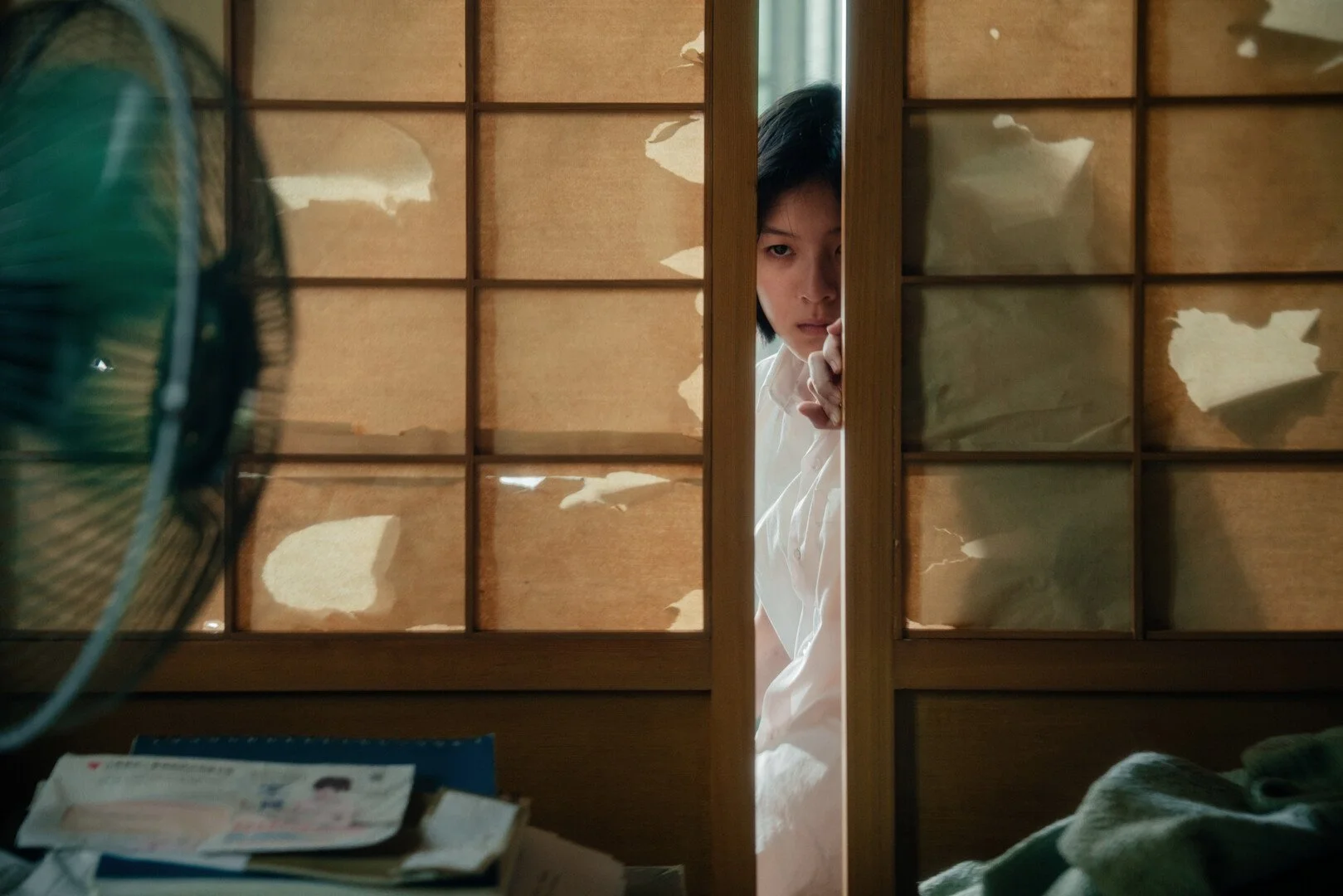
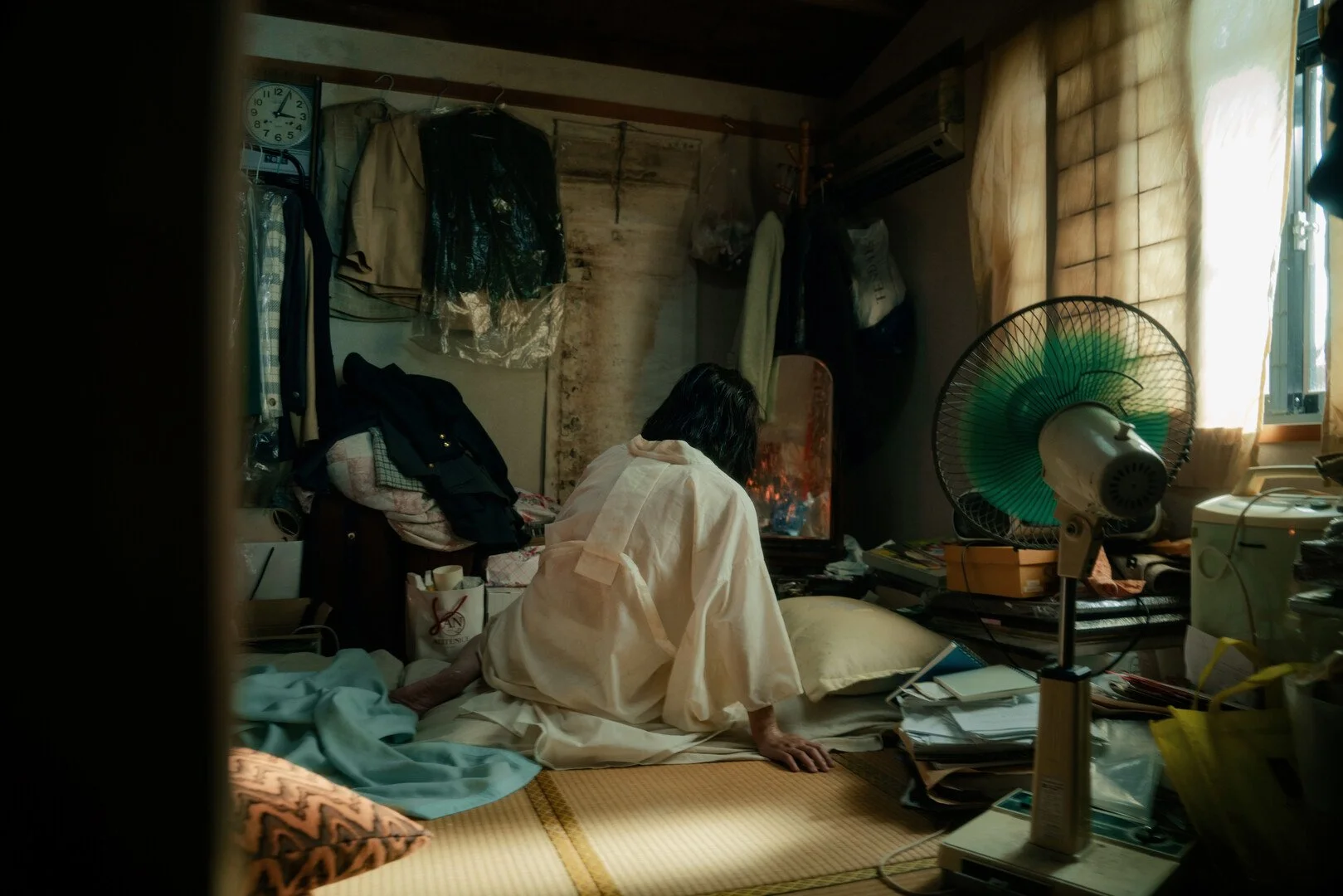
In the production design, I love how you have these very detailed messes. You mentioned being inspired by the tatami room in your childhood home. How do you translate a memory of a certain space to evoke the same feeling you felt as a child on screen?
My mom is an extreme hoarder, so it’s based on my life. Her homes are still… There are a lot of hoards. I asked my poor production designer [Hikky Chen] to go to my house and chat with my mom, and then we just took shit from her. Apparently she had to suffer through hours of my mom telling stories. Everything she wanted to take, my mom would have a story for her, and she would have to listen before she took it. She was there for hours pulling stuff, and my mom didn’t even know what we were making. She was asking, “Why are you taking all these things? What are you making?” I said, “I’m making a horror film. Don’t worry about it.” She’s like, “Okay. Don’t you want something nicer? Why do you want all this trash?” I’m just like, “Don’t worry about it, mom.”
We actually also pulled some of her wardrobe because she has all this stuff from the ‘80s. I felt very lucky that we were able to borrow a lot of props from her. Also, the room we shot in was at my grandma’s house. My grandma was no longer living in that house at the time, thank god, so it was just us. That tatami room was very similar in style to the one in my childhood home.
Was it always strawberry shortcake or were there other desserts you were considering?
[laughs] No, it was always strawberry shortcake. And it’s funny that you mention that because we shot in Taiwan during the summer time, and there were no strawberries. It’s a winter fruit in Taiwan. So we were very worried that we would not be able to source good strawberries. We were thinking if there could be other fruit, but ultimately I said, “No, it’s too important. Even if we import it, I need it to be strawberry shortcake.”
How many strawberry shortcakes did you destroy while making the movie?
For different takes and rehearsals, I believe it was 16 cakes total.
What have the reactions been like from audiences?
I think the biggest reaction I got was at NewFest where this lady, after that scary, intense scene where she smashes the cake, she had a seizure and we had to stop the screening and call the ambulance. I was genuinely so nervous for her. If something had happened to her—I don’t even know if it was my film that gave her the seizure—I would think, “That’s on my head.” Now that she’s okay, I can talk about it and say, “Wow, my movie gave someone a seizure.”
That’s a huge badge of honor.
It was surprising. I was thinking, “What kind of flashback is she having? Is she having some kind of queer panic, or… ?” I don’t know. It was an older lady sitting next to her daughter, too.
What can you say about the Strawberry Shortcake feature you’re working on?
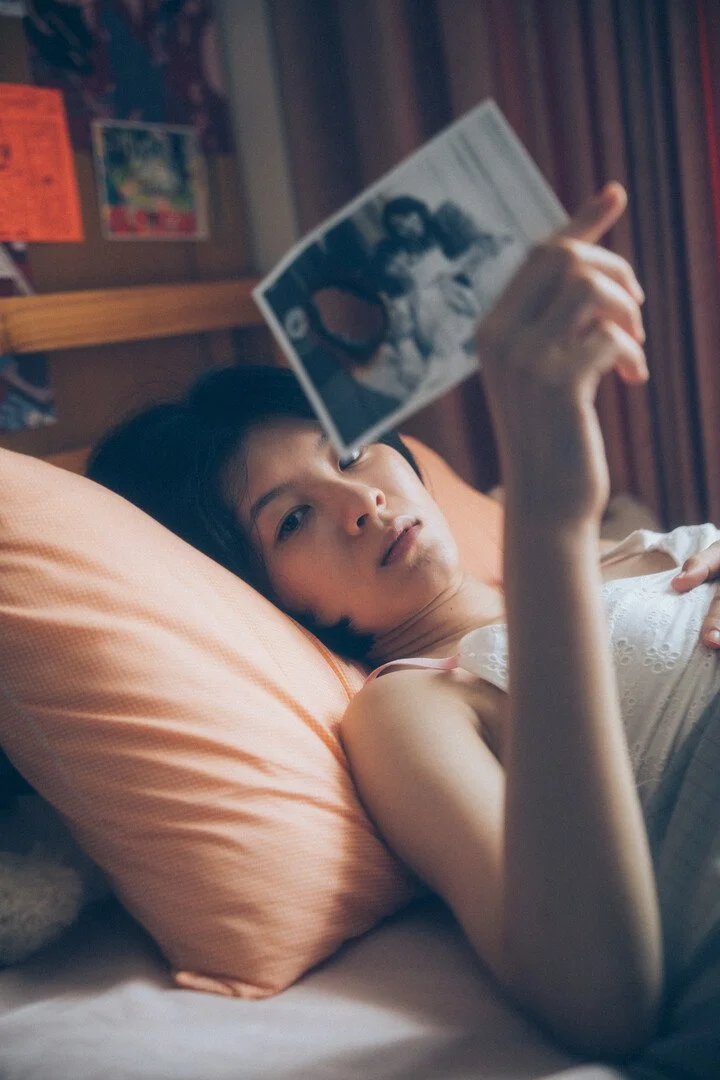
For the short, the script was initially only six pages and [it was set] entirely in that tatami room. So it was even more extreme. We expanded a little bit, and for the feature, of course, we’re going to expand it even more. It never felt like it could be a full feature. It felt more like a performative, or more conceptual piece, more abstract. As I was working with the actors, I had to tell them about the scenes I was directing and give them backgrounds of the characters, and I realized that we were actually developing the characters and the backstories together. It became a much bigger and fuller story. That's when I realized that the container of the short is not enough for the full story.
After I made the short, I immediately wrote the feature version of it. Since then it's expanded and it's changed, but the heart of the story is basically about the same daughter, the character Lolo, who supports her mentally and physically decaying mother through sex work. When she experiences her first orgasm with an older female client, she has a queer awakening. Obsessed with the woman’s scent, she stalks her and eventually falls in love with her, blurring the line between mother and lover. It becomes this incestous triangle between the three of them, when Lolo makes an unsettling connection between the woman and her mother, believing they were once lovers. And it’s set between the ‘80s and the 2000s.
I would like to get the same actor to play the ‘80s version, the young version of her own mom. [David] Lynch is someone that I'm hugely influenced by, and the way he plays around with time and memory is really significant. That’s something I would like to play around with in this, because when it comes to intergenerational trauma sometimes you don’t know if it’s happening to you or it’s happening to your mom, and when did it really start? Does it get passed on, and are you just reenacting what happened in the past? Are we really in the past or are we in the present? Those are all the questions I’m asking in this feature film.
The music in Strawberry Shortcake is very “The Pink Room” from Fire Walk With Me.
Yeah. Lynch is hugely important. He’s one of my favorite filmmakers, if not my favorite. When he passed away, I actually felt as much grief of a loss as maybe my own grandparents passing. Because I felt like I was so close to him in a way, even though I never knew him personally. There’s just some kind of magic that he was able to do. So many people loved his movies, and all kinds of people loved them, not just the weirdos. Really normie people loved him. That’s so hard to balance. It’s a question I ask myself: How do you continue to make work that is both accessible but also true to yourself? Because I can make all these very extreme films, but sometimes they’re not as accessible to people. He’s someone that I look up to to kind of balance that.
Since your movies come from such a personal place at times, what kind of catharsis does it bring you to go through the process of making them?
I always write my own script. I write and direct. I honestly don’t know if I’m able to direct something that doesn’t come from me. That’s still something I’m exploring because I’m the type of person that feels very intensely. We’re both cancers, so you know how it is. We feel very intensely. I have a lot of emotions. When I was young, it was quite troubling and hard for me to understand a lot of my emotions, especially when it comes to my relationship with my mother. I think that’s kind of my life lesson: how do I see this and how do I resolve this or how do I manage it? I think writing all these stories helped me really understand a lot of it, understand her perspective, because I need to get in her mind, especially when I’m writing the feature version of Strawberry Shortcake.
And then also, trying to sort out my own identity and sexuality and all this internal stuff. When I was researching for Strawberry Shortcake, I took a class on psychoanalysis and queer theory. That class was super interesting because then I was thinking about queer theory and it all kind of made sense. When I was younger, it was all just a mess. And now since I’m writing and because I have to make films about it and I have to explain to the actors about it, it has helped me immensely. It actually has helped with my relationship with my mom, which is quite interesting. I’m actually a little scared because what if I resolved all my mommy issues? Would I still be able to make such intense films? I don’t know. Maybe I have to look for some other complexes to resolve.
What does your mom think of your movies?
She has never seen them. That’s actually one of my big worries. I feel like she’s gonna see the feature, if it’s in theaters. It’s hard to avoid the feature. But I’ll cross that bridge when it comes.
You have to bring her to the premiere.
Yeah. I’m looking forward to that.
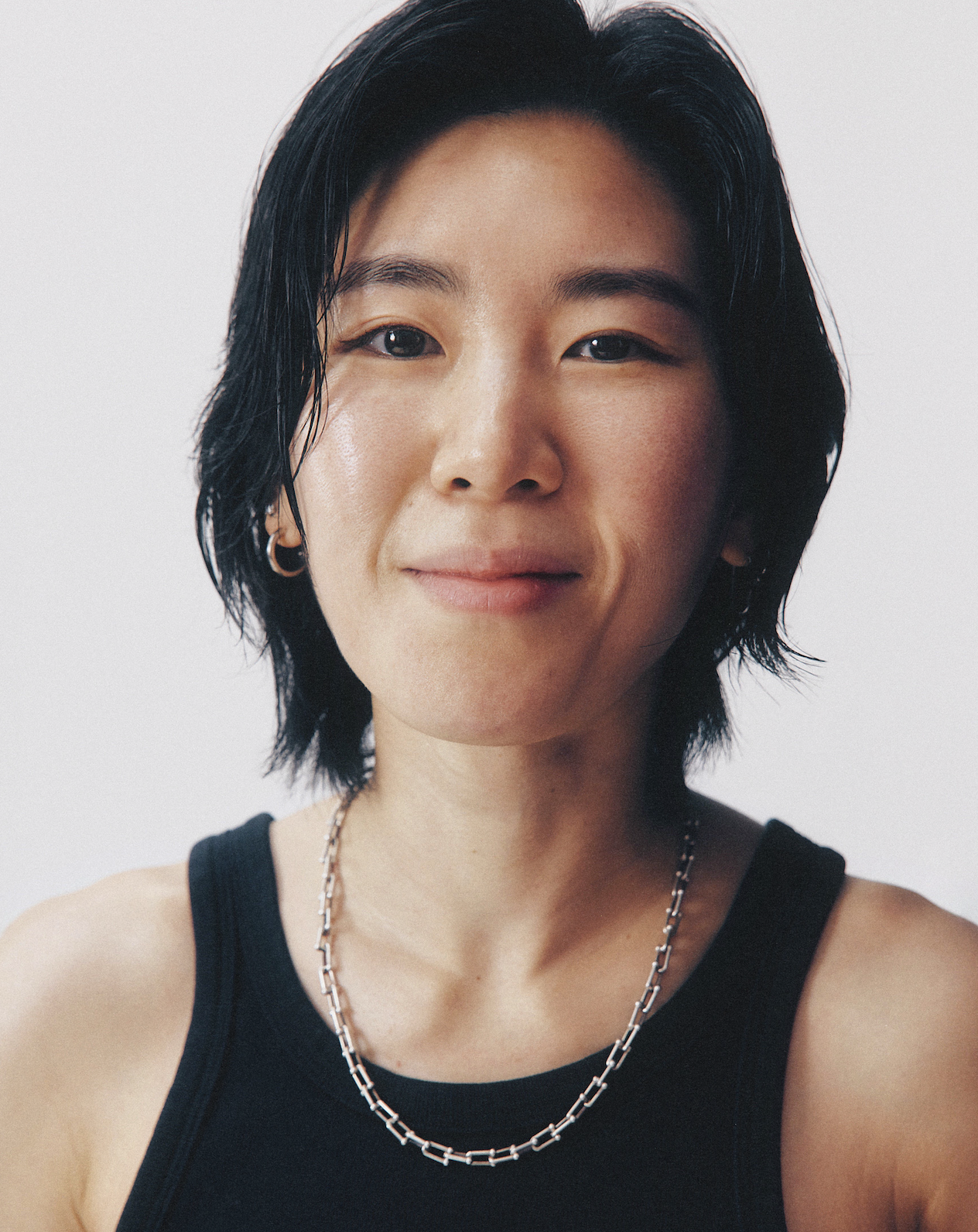
Deborah "Devyn" Chuang (莊岱雯) is a Taiwanese-American writer/director specializing in horror and body genre films that explore themes of identity and sexuality.
Their debut short, MOM, IF I WERE A VAMPIRE, premiered at NewFest in 2022 and has since grown into a queer cult favorite on Letterboxd. Devyn’s second short film, STRAWBERRY SHORTCAKE, premiered at Vancouver International Film Festival, where it won Best Short Film in 2024. The film went on to receive a Special Jury Mention at the Women Make Waves International Film Festival in Taiwan and screened globally at over 20 festivals, including BFI Flare, Sitges, Fantasia, and Fantastic Fest.
Devyn is currently developing STRAWBERRY SHORTCAKE into a feature film while finishing post-production on their latest short film, TRAUMA DUMPLING, a horror-comedy starring Bai Ling. TRAUMA DUMPLING is the winner of the 2025 Bridges/Larson Foundation production grant, and has also received screenplay recognition from Austin Film Festival and Vimeo.
Most recently, Devyn won the 2026 NewFest/Netflix New Voices Filmmaker Grant, was selected to participate in the Cannes Queer Palm Lab, and will serve on the Queer Palm short films jury at the 2027 Cannes Film Festival.
Devyn holds a B.S. from UC Berkeley and an MFA in Film from Columbia University, where they also teach screenwriting as an adjunct assistant professor. They live in Brooklyn with their cat, Lilith, who may or may not be evil.