Head Case
directed by Georgia Sampson
USA. 2026. 16 min.
Ivy is forced to face her most existential fear since nearly dying: a dinner with her family.
by Jesse Knight
Forget aliens or lizard people, there are humans actually walking among us who have no inner monologue, which is way more frightening. Imagine not processing every waking situation through a rough itinerary of scenario assessment, potential outcomes, Socratic questioning, hyped-up pep talks, self-regulation, and emotional labeling. How else would you get through, for example, a dinner with family?
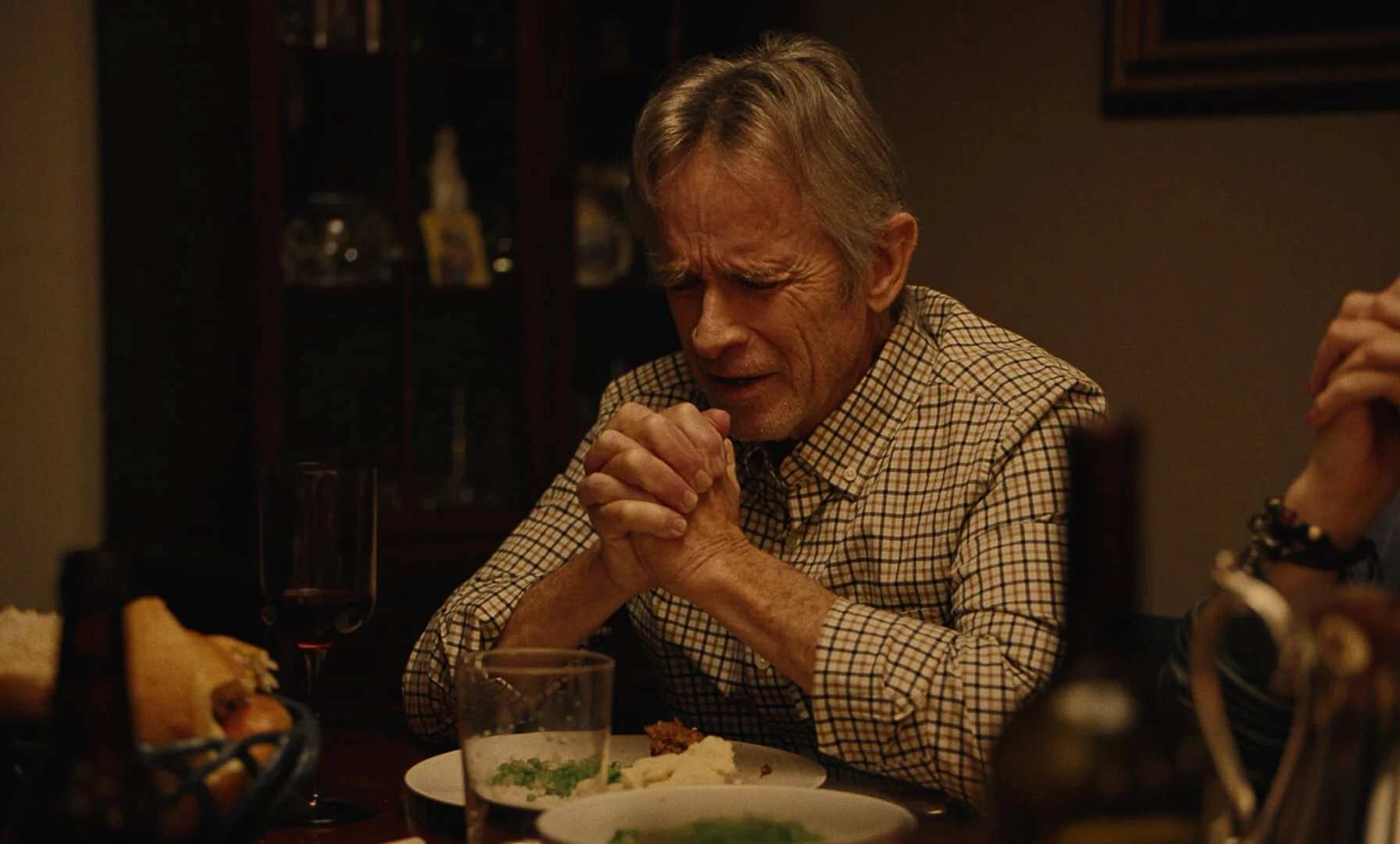
Filmmaker Georgia Sampson all but torches the fabric between inner and outer monologue in Head Case, a film following a character pervasively processing her surroundings in the aftermath of a cataclysmic event. Set in the pressure-cooking conditions of a hectic family gathering, Sampson cleverly wrenches the fourth-wall break device by utilizing reflective surfaces, triple underlining the protagonist’s need for and manner of introspection, and reveals how deep that rabbit hole can go.
What inspired Head Case?
Writer/director Georgia Sampson: Basically I broke my skull open when I was 23, and I was forced to move back home. I say “forced” because I think no 23-year-old with a job and a credit card wants to move back in with their mom. I thought moving back home was a downgrade in adult life. I was extremely sad about it when it was happening. I look back on it now and it’s not that serious. It’s not that stressful. But I remember that period of time being very stressful.
Everything that happened to me when I broke my skull and got hospitalized wasn’t intentional. I definitely didn’t try to kill myself. I always say this because my mom will watch it and her friends will ask, “Is that you?” and she’ll say, “No, that’s not me.” It’s very much inspired by the feeling that I had around that time of complete shame and disappointment, and how life is not going how you want it to go.
“There’s a unique thing that happens to a lot of people where, I don’t know why, but we all got into a fight at Thanksgiving or they all blow up and you can’t really put your finger on [why].”
When you’re adapting more of a feeling, but still drawing from a real personal experience, what’s that process?
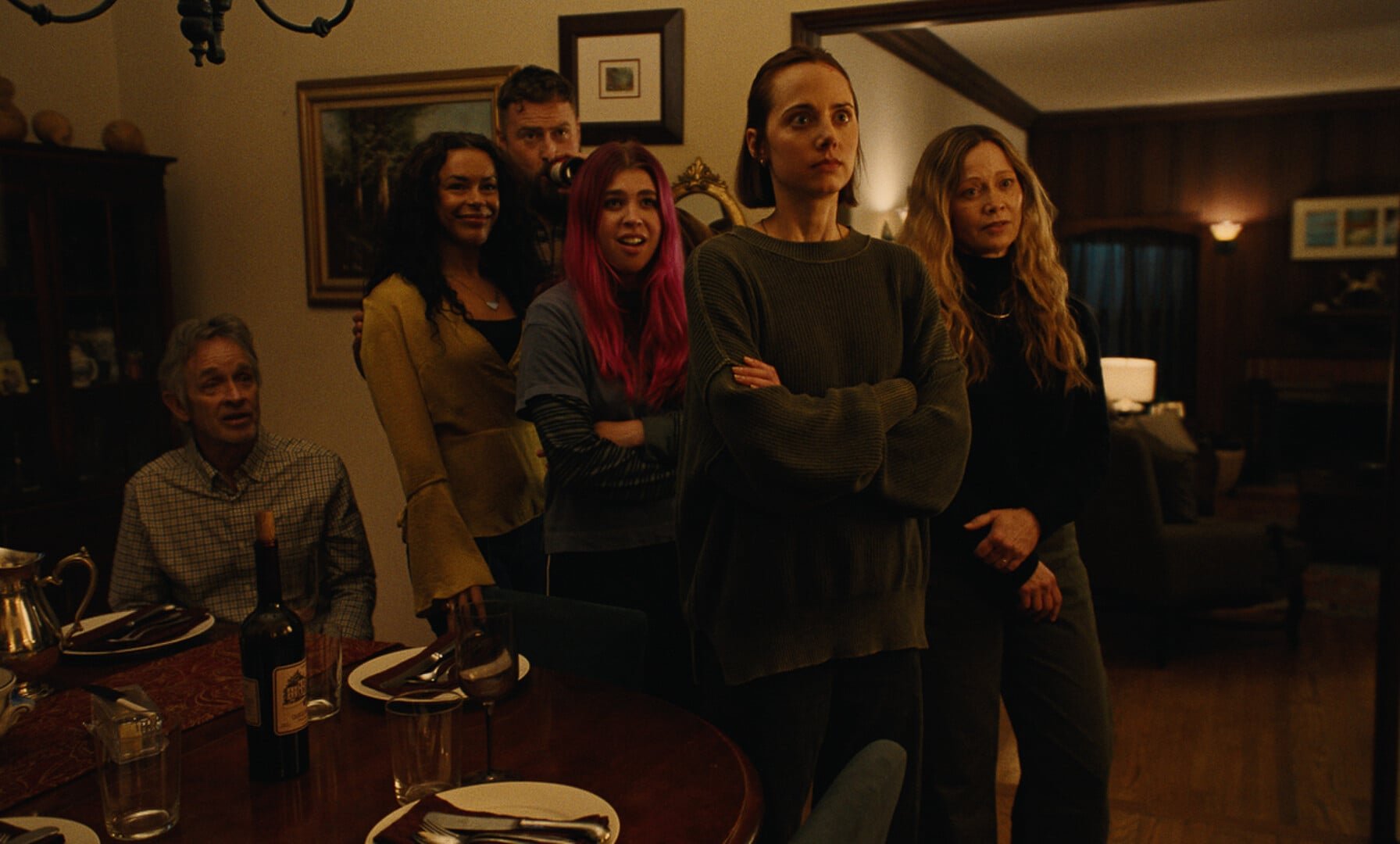
I wrote a version that was exactly how it happened, and I was really bored of it. I put it away for six months and came back to it and thought if I was watching this as a play, would I like it? If this was on a stage, would anybody care? I rewrote it three or four times and gave it to friends and took as many notes as possible of other people’s family stories. Anecdotal stereotypes of the drunk uncle who ruined Christmas, or your dad is dating a 22-year-old and why is she here? Or your sister is going through a weird breakup so you’re making fun of her. I found that much more interesting. All of my friends who I gave it to—I’m not going to speak for them, totally, but I assume because they gave me better notes on [those drafts], they also found it more interesting. Just to read something that was understandable. You know who these people are, you know what they’re doing, you know what they want.
I really wanted to take my experience, then also other people’s experience. My DP [Jacob Dugger] and I had a lot of conversations around [how] everybody has a weird family trauma or family secret that you don’t talk about. Why? It's so odd. It builds up and bubbles. I ended up making these characters out of my friends’ experiences with their family trauma and their experience going home for the holidays, how they’re home for a month and they can’t seem to get through that month without wanting to explode. The generational trauma becoming very in-your-face by the end of the movie, the way that we shot it, was very much a conversation. I didn’t want it to be too annoying or make the characters seem too flat. But I feel like there’s a unique thing that happens to a lot of people where, I don't know why, but we all got into a fight at Thanksgiving or they all blow up and you can’t really put your finger on [why].
Is there a deeper reason why you think you were bored of your own experience and started talking to other people to include theirs? Did it take the pressure off of you being boring if you were using somebody else’s experience?
I 100% think that it was. I could not handle the pressure if this was all me. I'm a big Bird By Bird fan, and Anne Lamott had a quote that was like, “If you ever get stuck in really deep writer’s block, just sometimes picking up the phone and calling somebody—they could be working at a flower shop and you could be writing a story about somebody who works in a garden—and if you just ask them, ‘What's the easiest flower to plant?’ you could have a whole other thing to write about by the end of the phone call.” It became this pressure to make myself interesting, asking myself, “Why can't I see the interesting parts of my own life?” And then I would pick up the phone and call somebody else, and there was a whole other thing that could work for this film.
It’s a lot to be the most interesting person in the room, and most of the time I find that the people who think they are the most interesting people in the room are not, or the people who think that they’re not don't want to talk about it. Most of the time it’s just easier to beat through writer’s block and all the times of “I don't want to talk about this” when you're talking to somebody else and you feel a chord with them and think, “Oh, they really want to talk about it, so it must be important.”
Did you not think that breaking your skull was interesting enough of an experience?
It’s so funny, no. [laughs] At first I thought it was very niche and interesting because I had never broken a bone before. The first bone that I break is the back of my head, which is a crazy story. I still don’t think it’s interesting. I still think of it more as an embarrassing moment. It took me a really long time to think it’s something I should revisit because everybody seems very taken by this story. I don’t know what that says about me.
Do you know the statistics of people who have broken their skulls and lived?
I think it’s a weird low amount. I actually don’t know. I do know somebody else who has had a pretty severe traumatic brain injury, oddly enough. When I broke my skull, my friend from high school also broke her head and had a really weird recovery process. I saw her when I was visiting home last, and we bonded over thinking things like, “I’m bleeding out of the front of my head and the most annoying part is I just want a towel, because why can't I cover myself?” But that felt very normal. When you think about it in the grand scheme of things, that’s a conversation that no one else would hear and say, “Yeah, me too.” I know it’s probably an absurdly low number of people who break their skulls and are walking and talking nowadays. I am lucky, for sure.
“I just really love the way that you can understand a character because you see the people who made the character.”
How did the story evolve, and why was this the way you decided to explore it?
I love a dinner table drama. I love a family drama more than anything else. I just really love the way that you can understand a character because you see the people who made the character. I had this very specific story from when I was out of the hospital and my aunt and uncle just happened to be in town. I was talking to them and trying to say that I wanted to move, that I didn’t want to stay at home anymore. My mom said, “Well, you just got out of the hospital, so give yourself a second.” That’s where it all originated from, that moment of [realizing] you can be 24 or 25 or 30 even, and there are things that are greater than you that decide what your situation’s going to be for the next couple of months.
Originally, a friend of mine and I were calling it “Pity Party” because I really loved the idea of coming home from the hospital and your grandma gives you a weird gift and you’re thinking, “I don't need that,” or how everybody is in your living room and you’re asking, “Why are you here?” It evolved more into a sit-down family dinner confrontation as the edits went along. It ebbed and flowed, the idea of following the family and also being stuck with Ivy, the way that she feels stuck, for as long as this dinner lasts.
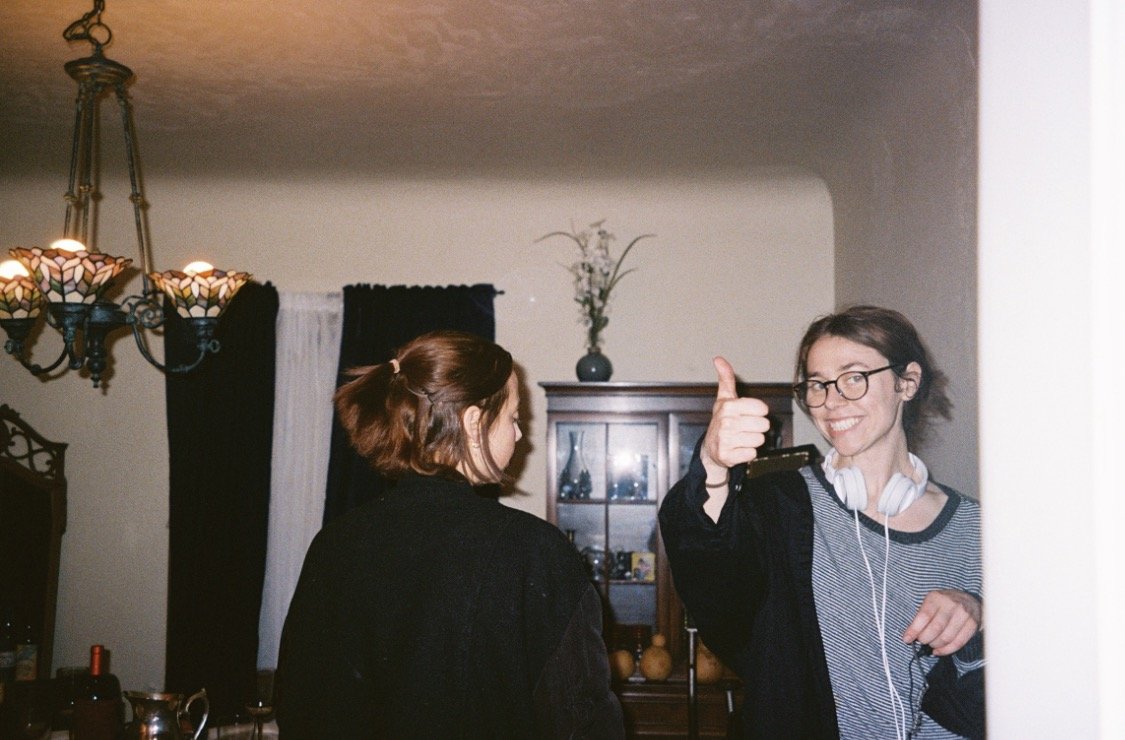
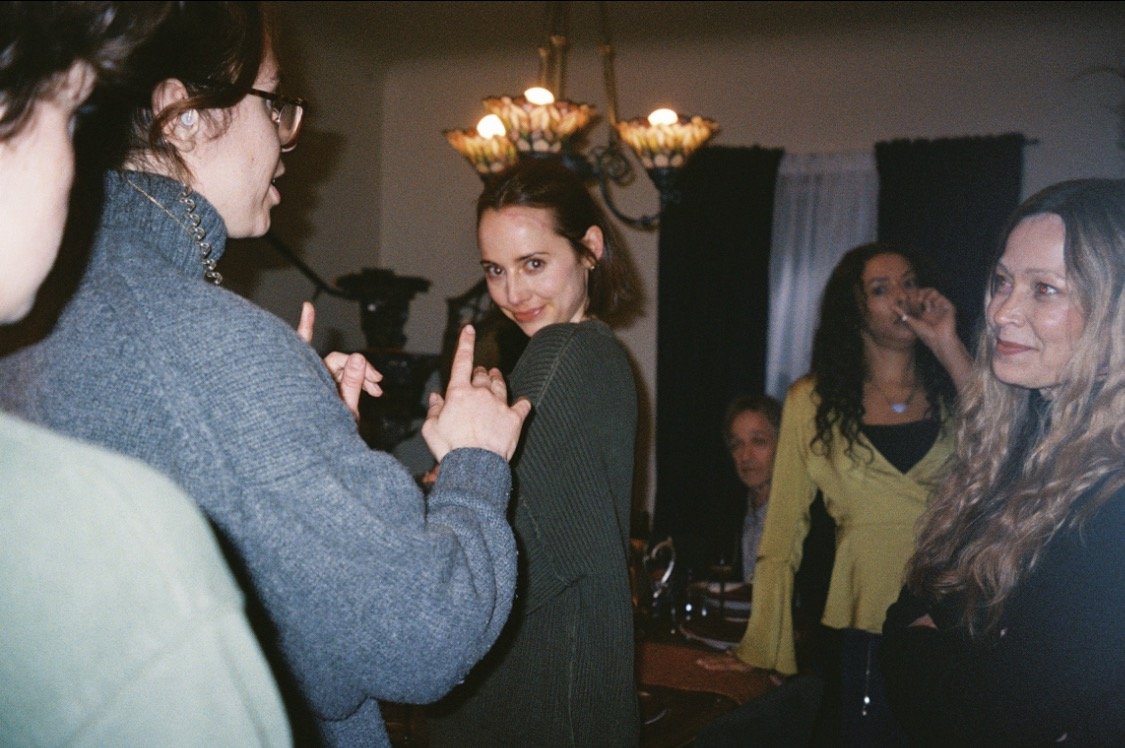
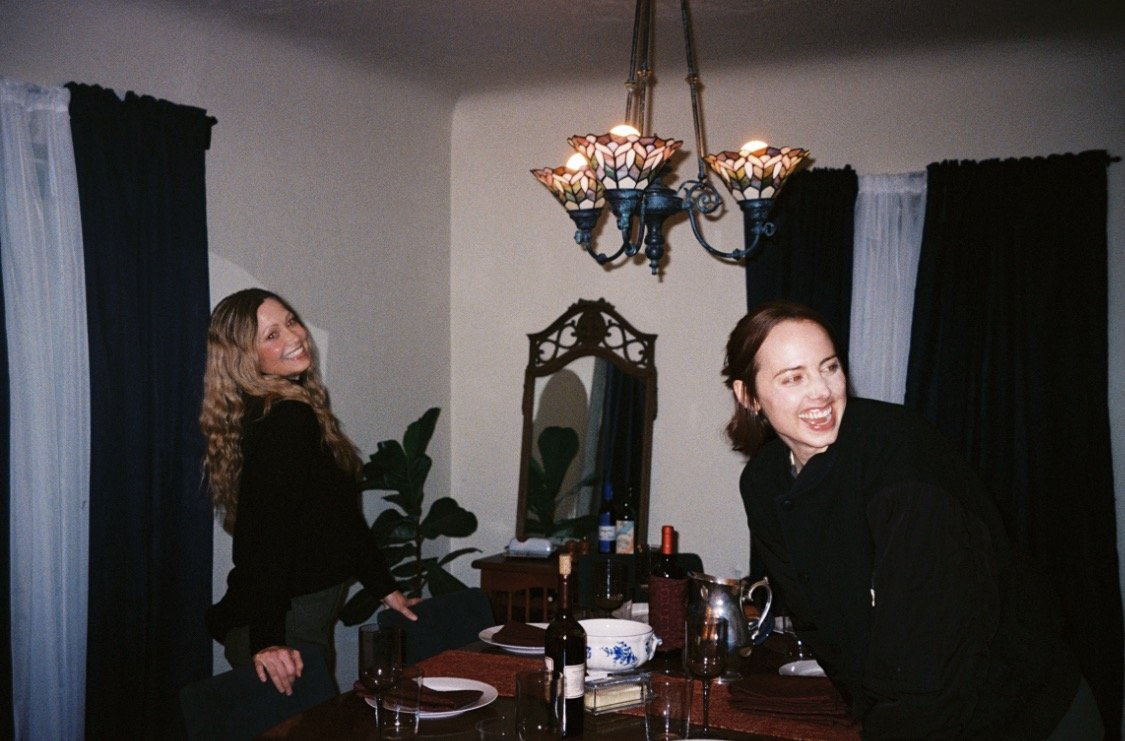
I’m sure a playwriting background lends itself to juggling all these different characters and a film that’s so dialogue-heavy. It feels ambitious, especially for a short.
The only way I know how to write is to pretend it’s a play, and then get through it that way. I have a friend who always reminds me that there are some plays that do not work as movies, so I feel like I have to break the box of being a playwright every so often. I understand the structure of plays a lot more. That helped a lot in the creation of the characters.
At one point it was around 30 pages, and we eventually cut back to 18. There were so many characters that I still think about all the time, that you lose on the cutting room floor because you can’t include every third cousin that you’ve ever had, even though I’m sure they might be an interesting person to follow. There was a very religious brother whose wife was always pregnant, which was a character we lost. I still think about that one.
At one point I was churning out characters and would send versions of the script to a group of friends to read, or a couple of writer friends to review, and they’d ask, “But why? There are so many people here, you got to pare it down.” When we were cutting it or I was doing the final edits for the shooting script, and even when we were cutting some of the footage, it came down to the relationships that feel the most definitive. Even if you don’t have a good relationship with your sister, they’re always going to know you better than your cousin will. It came down to which characters made logical sense to be there, and then also which ones felt the most emotionally connected to the situation. If I came home from the hospital and my sister wasn't there, that would be weird.
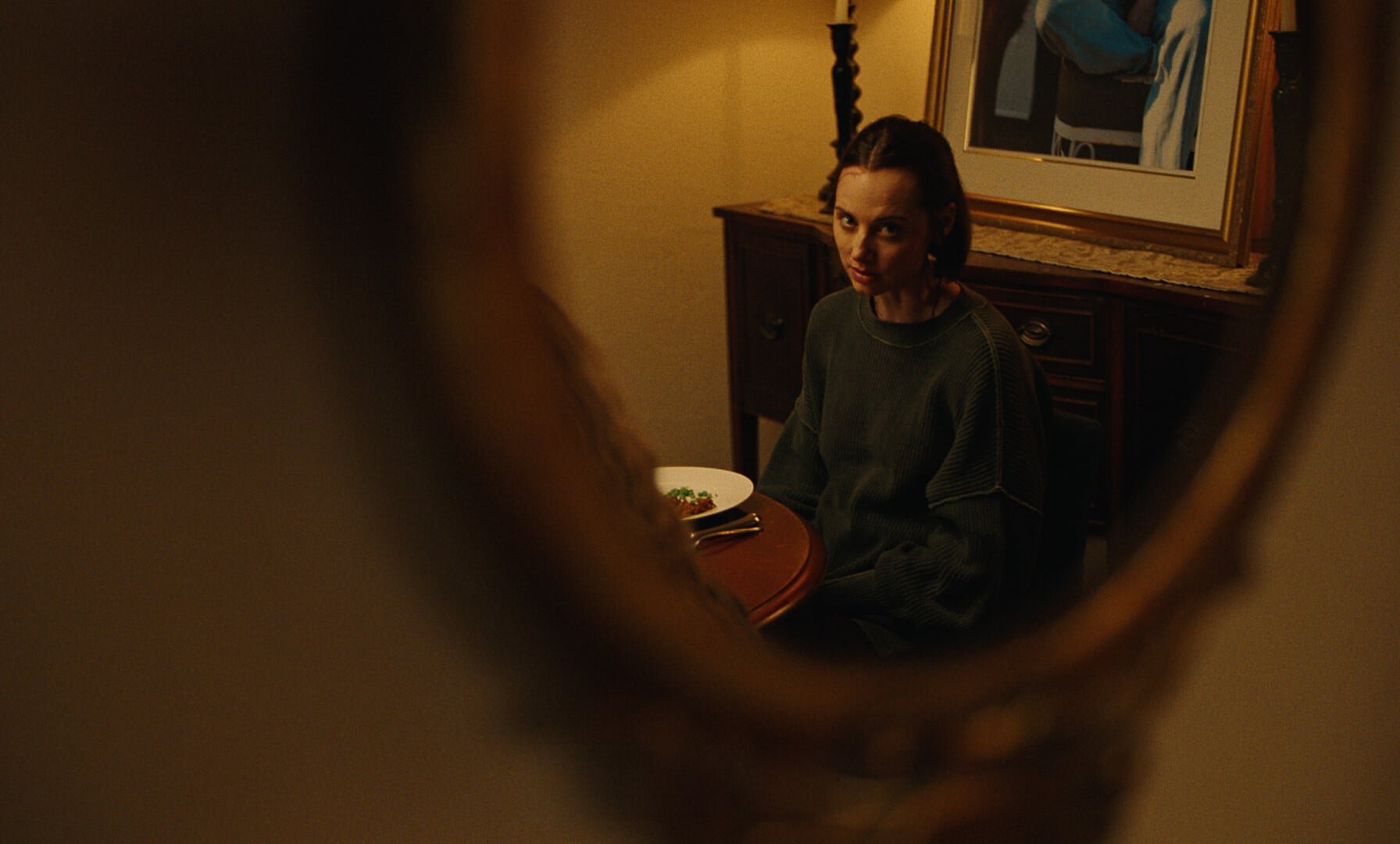
Why was it important for you to have a fourth-wall-breaking character, and when did you come up with this way to twist it, with the reflective surfaces, to make it seem fresh?
I love a person vs. self conflict. I think it’s so hard to do that in film because there are very few glimpses that people get of the inner workings of somebody when just looking at them. I also knew that, again, this is a short film and we were already shoving so many characters and a dog in there, which is a whole other thing, but it’s hard to get to know somebody when they’re the quiet person in the room. If somebody’s going through a weird time in their life and they're coming back from the hospital and in a really dark mental space, it would be odd for them to be the most open, talkative person at the dinner table. There were so many versions that I wrote where I found Ivy boring. I felt like if she’s not talking, then why do we care?
I was trying to find a way to [show] this character going through something and the person that she’s fighting the most is herself. The mirror thing came from [when] I was getting ready for work one day and thinking, “You gotta pull it together.” Then I realized everybody does that thing when they’re coming out of the bathroom and telling themselves, “It's fine. It's okay. Just go back out there. You got it.” Shadow boxing or whatever it is. When most people are going through really hard times, they just shut down. They’re not going to talk about everything. So, you have to get a sense of what they’re actually going through. I think there’s no other way to do it besides hearing it directly from them. The mirror happened by trial and error, and after I decided to really go all in on it, I knew it all had to connect back to this very traumatic incident. The mirror was the closest tie I could find to what happens when you get inside somebody’s brain when they’re talking to themselves.
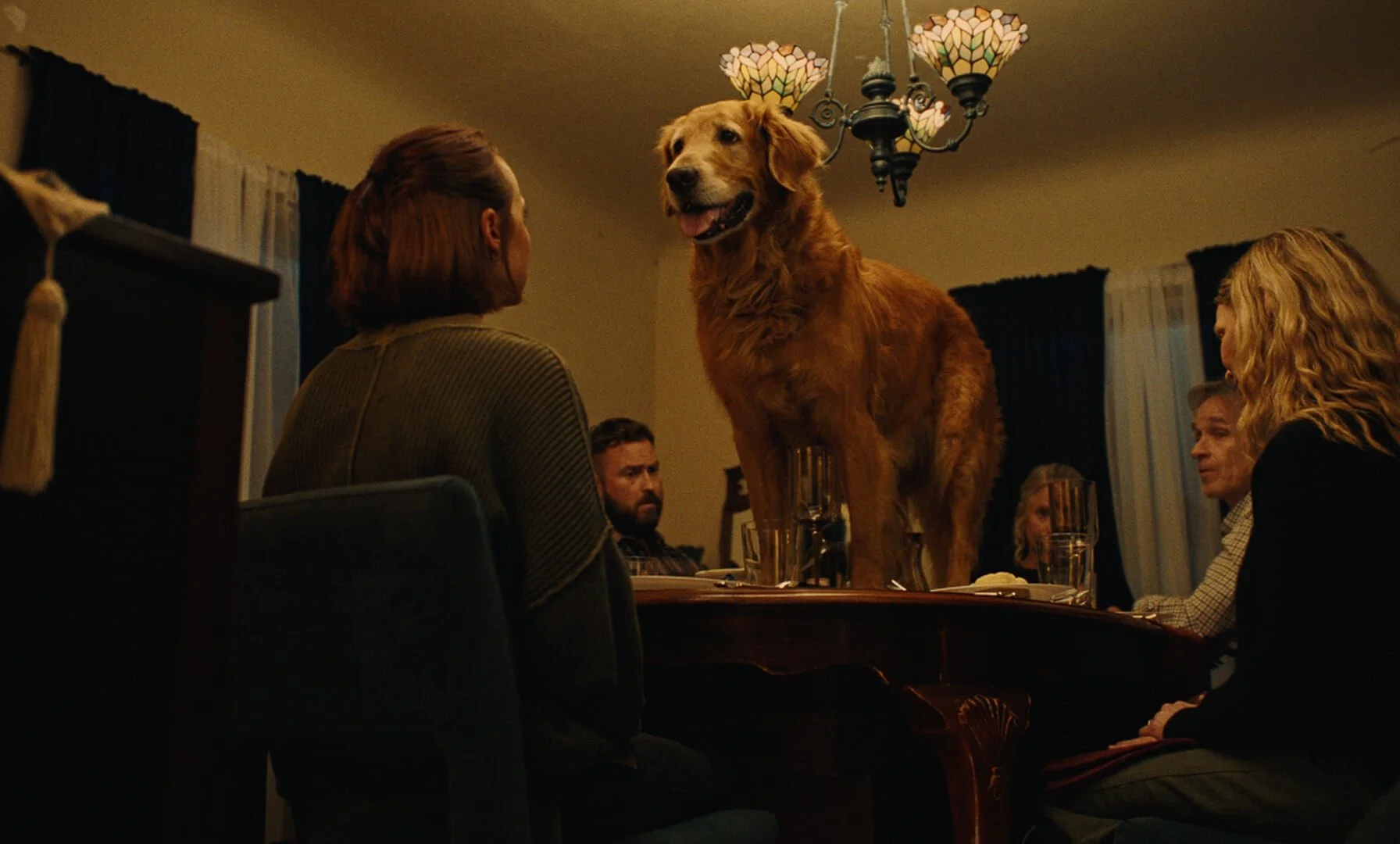
When did the dog enter into it? Was that part of your experience?
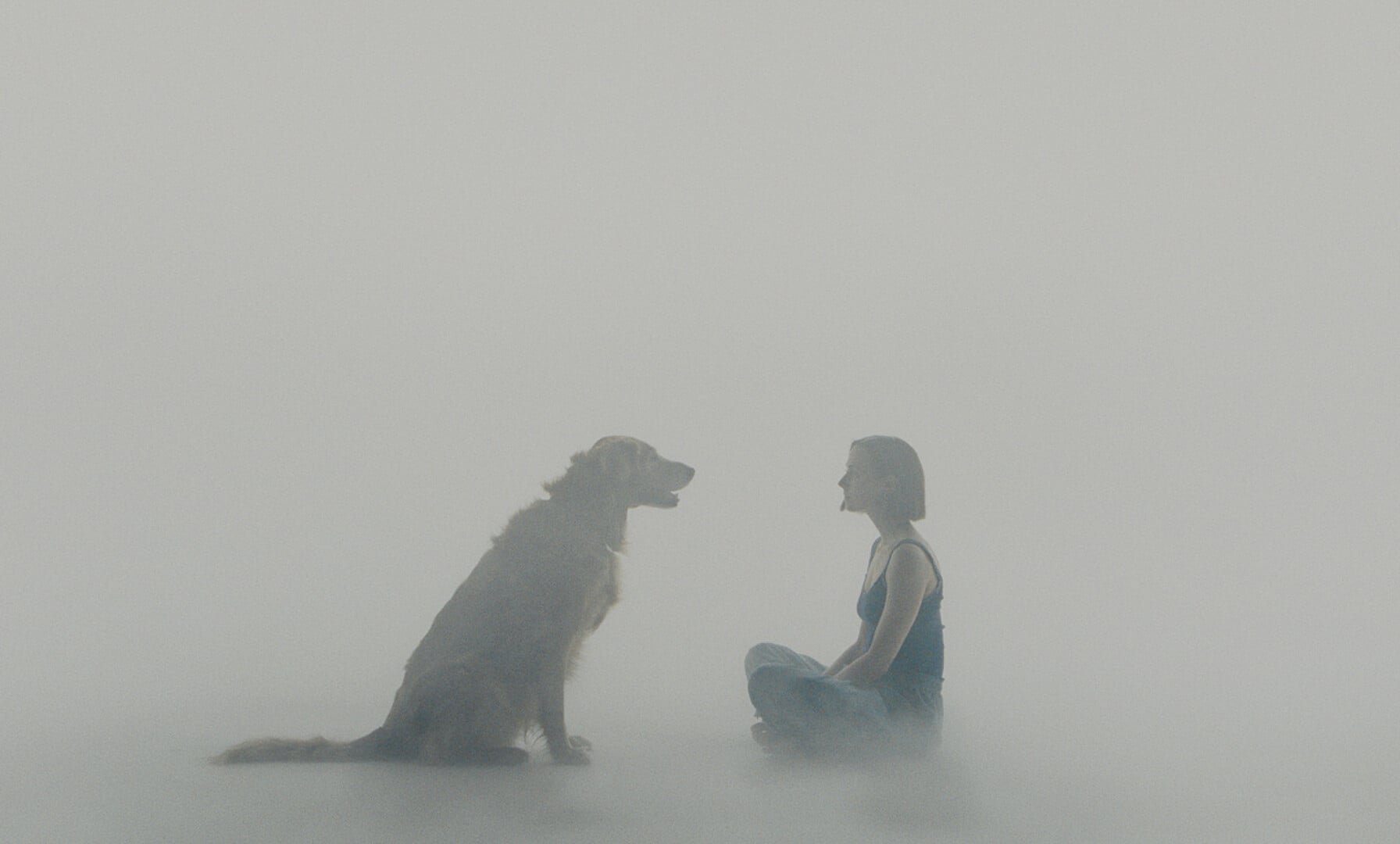
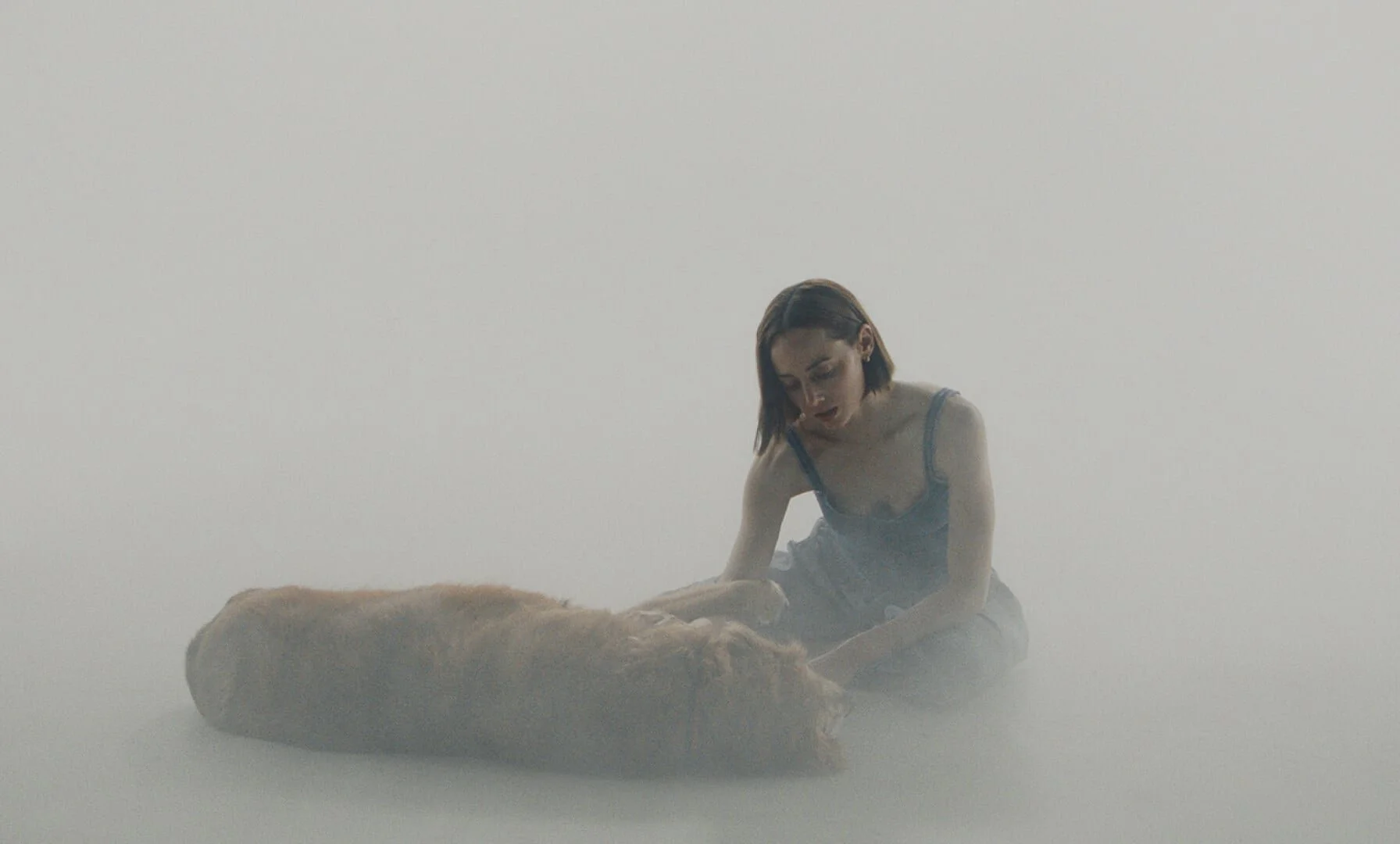
The dog was a big part of my experience. My childhood dog had died. We all just loved this dog so much. I went home for two months when I was living in New York and had a break between shows. The dog happened to die while I was there. It was a very visceral feeling of letting go of the dog because that’s what happens when dogs die, unfortunately, that feeling of holding her while she was fully letting go of life. Later on, when I was experiencing the “dying,” I guess, myself, I was on a lot of drugs and I was in and out of consciousness, but every time I was out of consciousness I kept seeing my dead dog because I was, again, on a lot of drugs.
It was this very comforting feeling, like what it feels like to fully relax or let go. I didn’t have hallucinations of the dog when I came home or anything, but I thought about that moment a lot. Some people when they have a near-death experience, they see their grandfather or their dad. I saw my dog. So, what does that mean? I was really fascinated with this idea that when you’re young and you have a dog that you really connect with, even when things get hard with your family, you always have this dog.
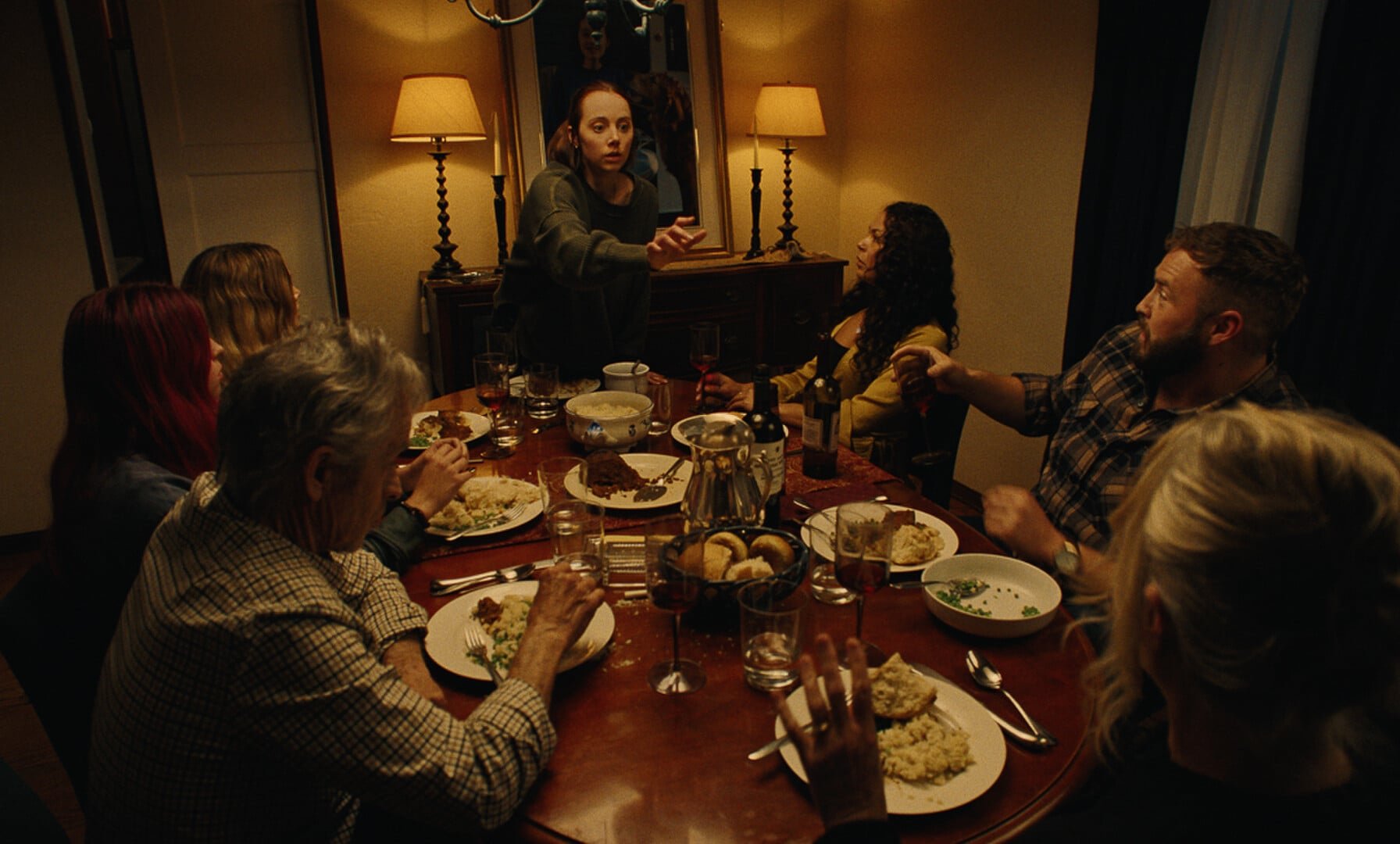
I was one of those people that made a lot of plans around my dog. I had always hoped to move her out to New York with me or get a bigger apartment so that I could have a dog there. When the dog died, it felt like all my plans for life exploded. I was writing a lot of variations of a love letter to my dead dog for a long time. When I was writing the pity-party version of Head Case, I imagined: “Wouldn't it be so much better if the dog was in the room? If we could spend any amount of money, could we bring our dead dog back to life? Or could we just close our eyes and imagine it?” The whole crux of this piece has always been [about how] you’re going through something hard and yet there are all these really unique memories or slices of life that you just want back, like when I was with my dog all the time.
I listened to so many podcasts and books about near-death experiences afterwards, and the consensus that people came to was that there was no consensus. I feel comforted that nobody knows. I really felt so happy and comfortable and at peace with that dog, so this idea of being at a crossroads both health-wise and life-wise, of course my brain was going to be like, “It’s okay, we have this memory of this dog.” I remember there being nothing else around us, it was just me and my dog, and I was thinking, “What if this is all that I have? Then that’s good. That works for me.”
“I know other people who have had near-death experiences and I think the realization that we all come to eventually is if you’re still living, that’s crazy. That’s insane that you’re here. Life is so short, so why not just pursue everything that you’ve thought about, even in passing, with as much abandon as you have?”
Has an experience like this changed the way you approach your life?
What brought me a strange amount of comfort in the years that followed is realizing nothing really lasts forever. I became a lot looser with the way that I view and live life, and also a bit more hopeful. I think I was very cynical prior to it. I still am. I mean, who isn't? But I was very judgmental. Honestly I probably wouldn’t have even made a short film five or six years ago, when I was 21 or 22, mostly because it’s a lot of putting yourself out there, and it took me a very long time to get through the you-cannot-judge-yourself phase of pre-production.
I know other people who have had near-death experiences and I think the realization that we all come to eventually is if you’re still living, that’s crazy. That’s insane that you’re here. Life is so short, so why not just pursue everything that you’ve thought about, even in passing, with as much abandon as you have? That’s where I've landed now.
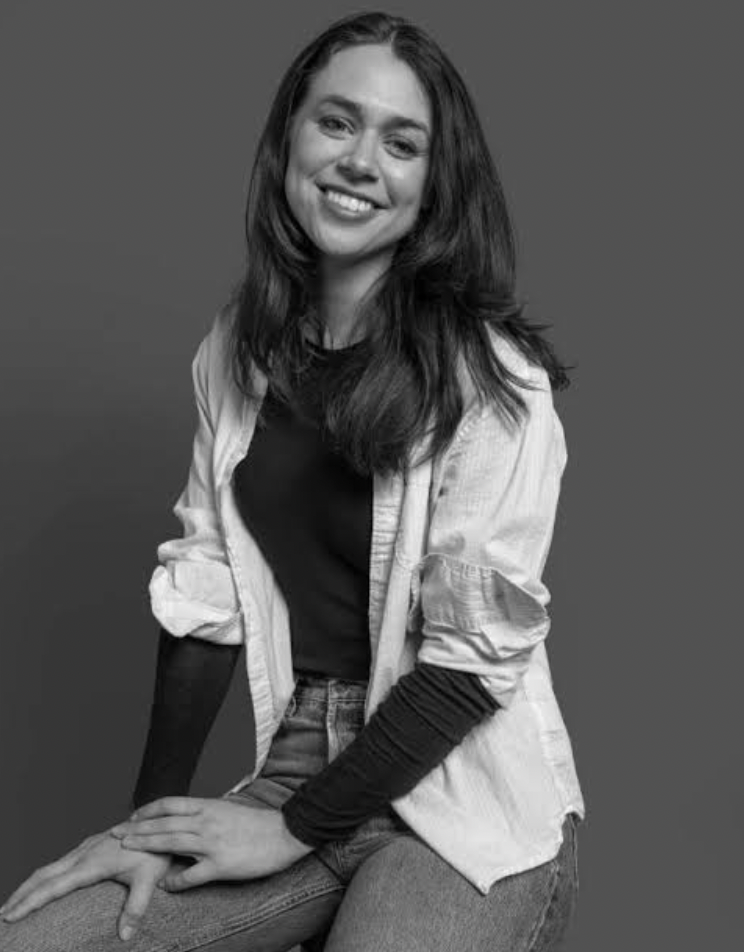
Georgia Sampson is a writer, director, and producer. She received her BA from the University of Iowa where she did undergraduate classes in the Writer’s Workshop. Her current body of work spans commercials, music videos, and short films. She is always looking for new material. She usually finds the most inspiration from the women in her life.
You Might Also Like…
In Lieu of Flowers