Silver Needle
directed by J Wang
China. 2025. 14 min.
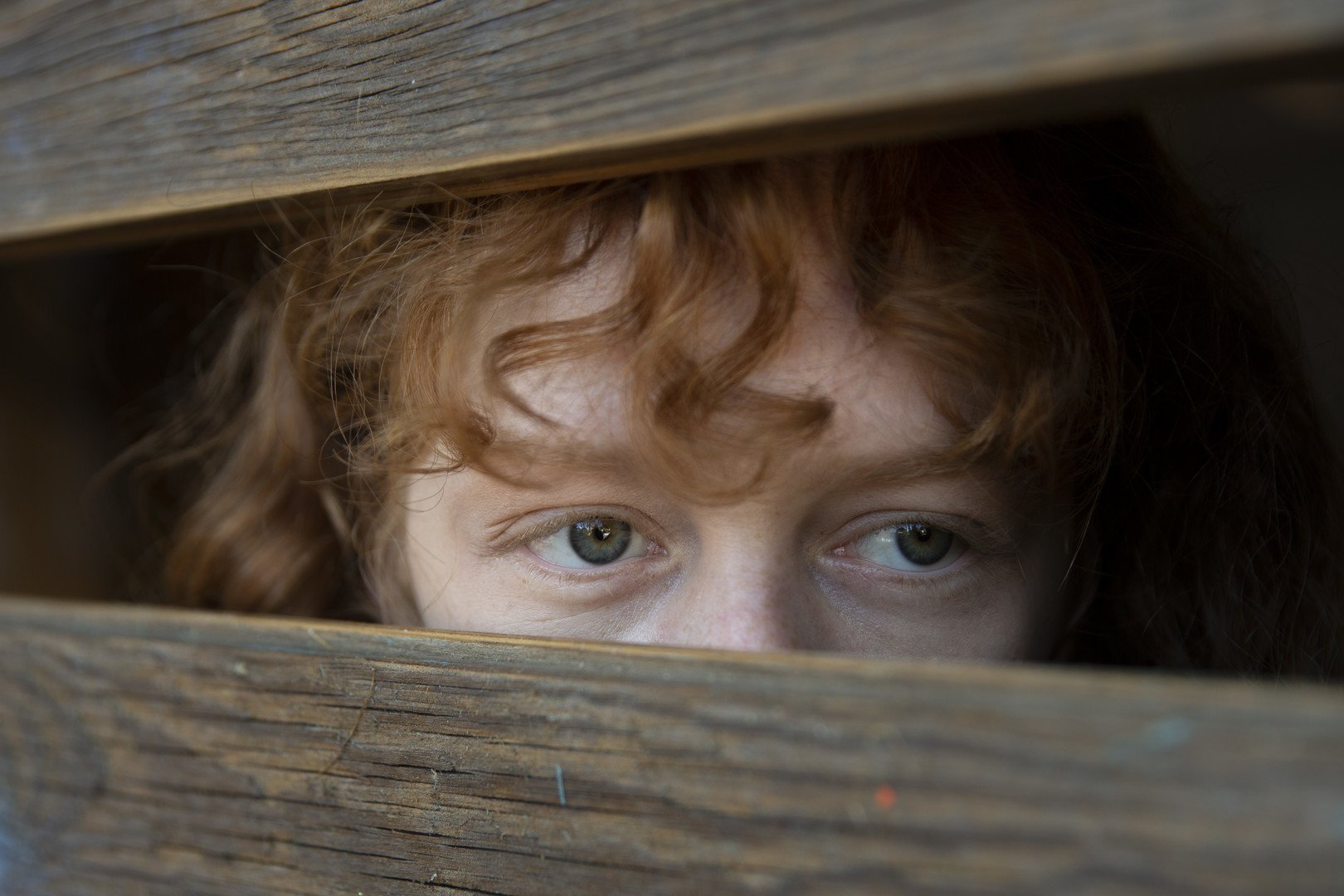
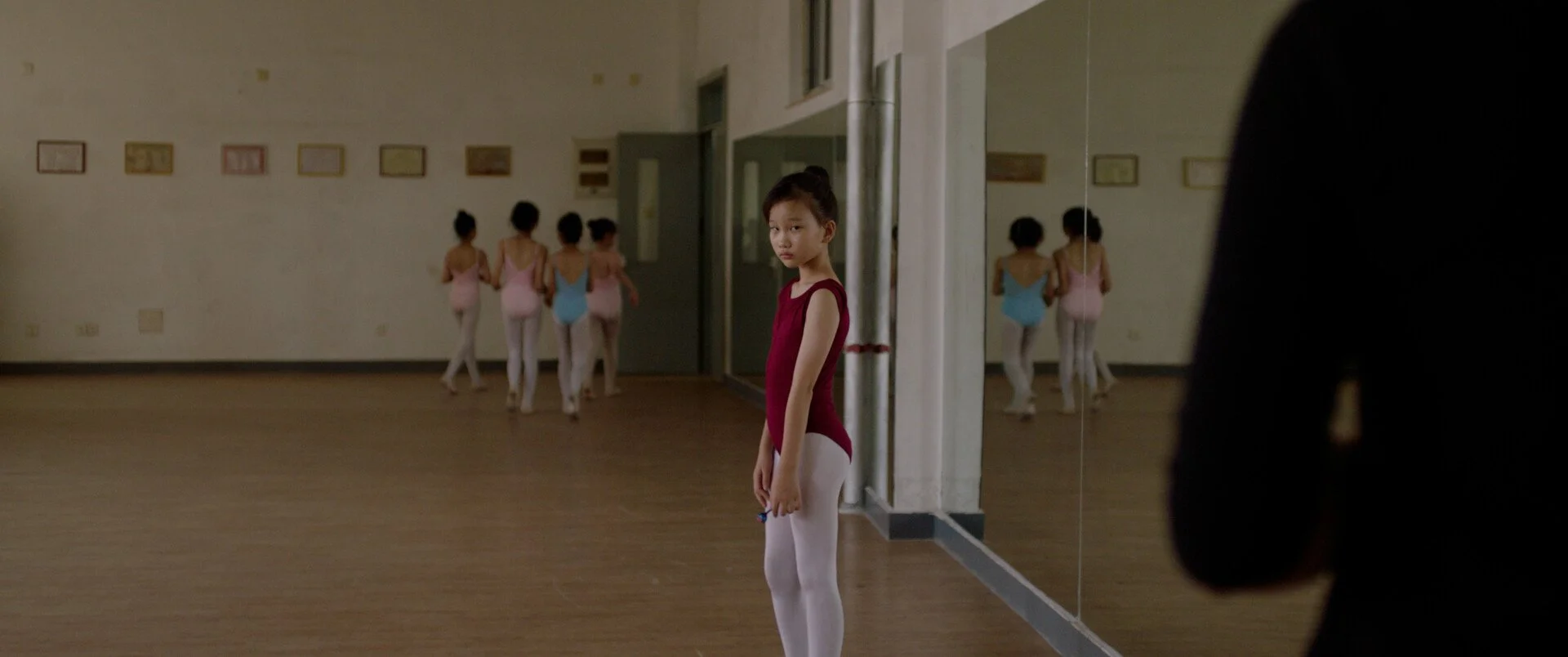
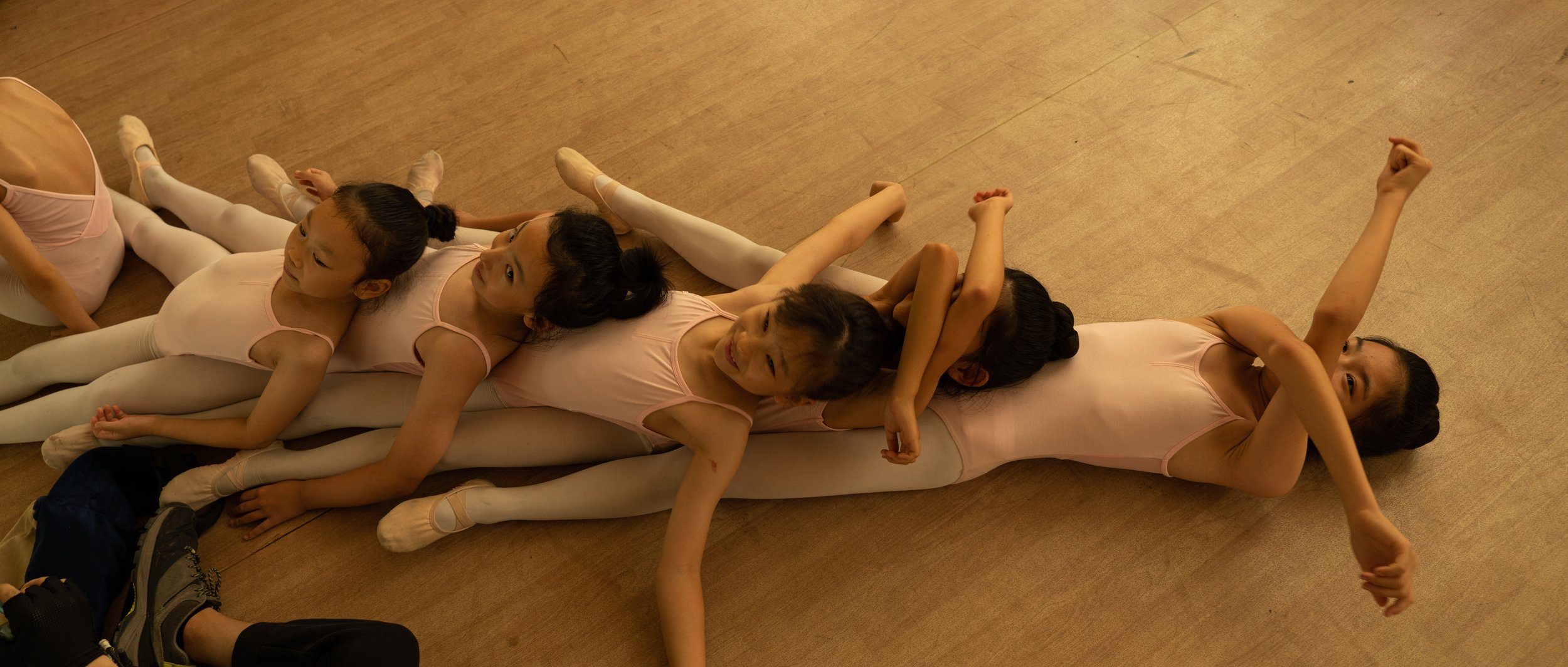
After moving to China from New Zealand, two sisters adjust to their new ballet class, only to find that the teacher has an unusual teaching method.
by Jesse Knight
As ripening humans, sometimes we forget that our personal evolution is inextricably linked to our experiences. Like a sponge, each one absorbs into our bodies, escapes into our muscles, files away into the deepest corridors of the mind, and from them nurtures all varieties of consequence throughout our waking lives. For better and, of course, for worse.
Filmmaker J Wang exorcises a childhood experience of her own in Silver Needle, excavating a quietly harrowing battleground drawn between those on both sides of this divide. Uncommonly sage and clear-eyed, Wang’s film is a journey through cultural indictment and generational redemption. Powerful not only in its narrative and emotional impact, but in its command and articulation of sensations often too complex or daunting to confront. It’s a miracle of storytelling, but also of understanding.
Your work tends to incorporate more out-there elements, but this one is decidedly more subtle and controlled. Was that intentional, or did it happen more naturally?
Writer/director J Wang: It was just a story from my childhood. I worked on it for so long. I spent four months in China and my hometown where I had the experience of being pricked by my teacher. I was living with my parents and my grandma and I was definitely feeling like a kid again in so many ways, just living at home but also trying to remember what that experience was like. I ended up talking to a ballet teacher who also had stories about how she was trained in ballet. There’s a line in the film about muscle memory and about how you have this corporeal punishment, I guess because it will stay in the body and that’s good for dancing. There were so many bits and pieces where it became super real, and the more I stayed there, at the end I thought, “Okay, I'm just going to let this be whatever it is,” and try to be more realistic and truthful.
Do you think because it was based on personal experience, you wanted to honor it more directly and ground it more?
I think I was maybe too close to the subject. I also have a nine-year-old brother and am watching him grow up. So I was trying to summon the experience of childhood, and as much as I wanted to put more absurd devices and effects, which I tried to a little bit at the end, I thought, “Okay, we don't need any of that.” This is a very simple story, and how I remembered it.
“I had many experiences while making the film when I questioned whether I should still make it since people don’t think it’s actually that bad to prick a kid, that it’s actually much better than other forms of discipline.”
What kind of effects were you playing with?
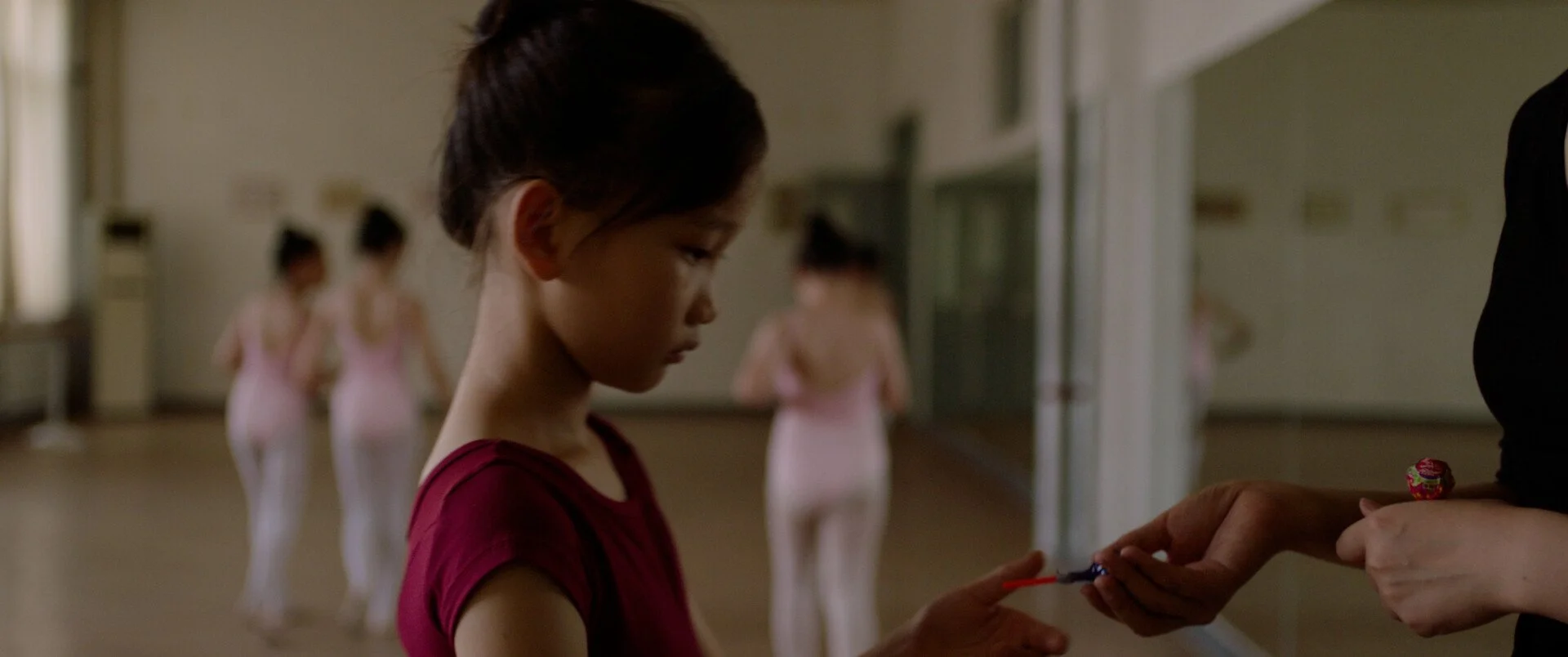
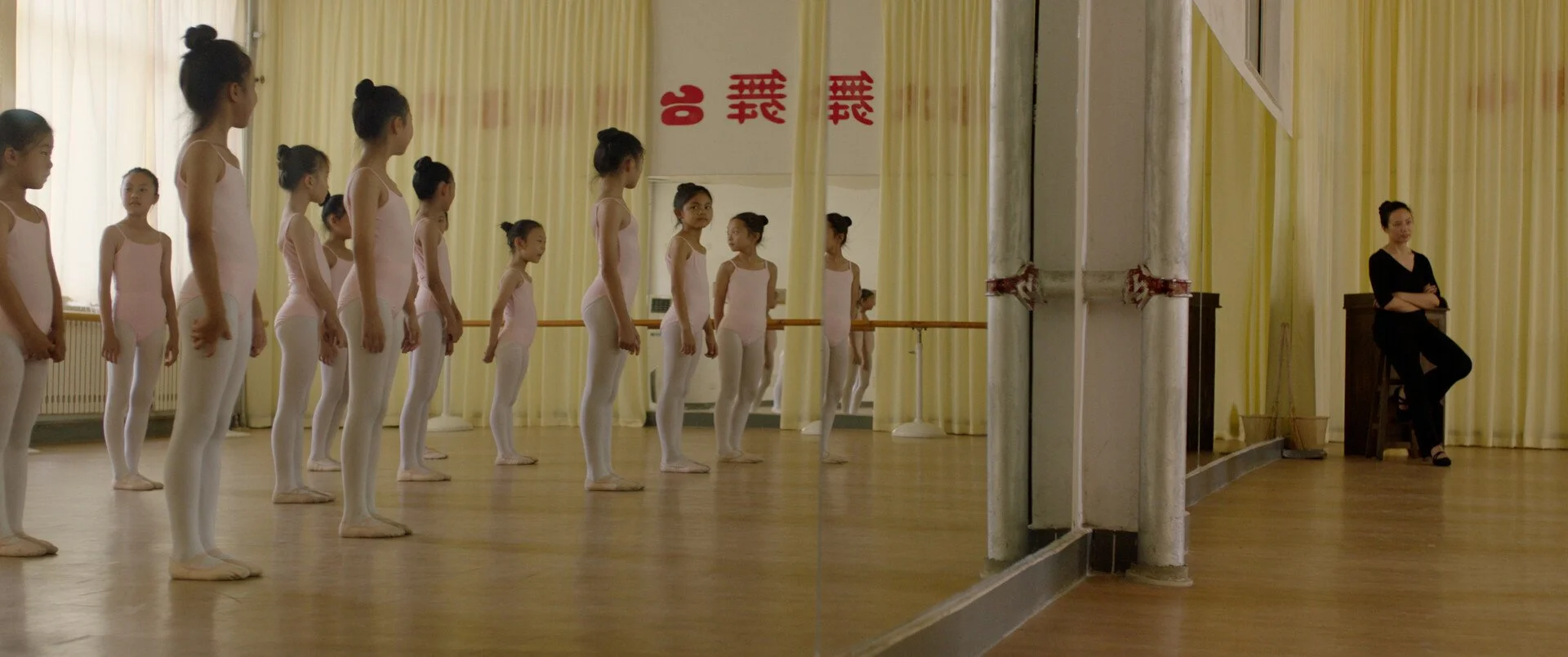
When she first discovers the needle, I was going to use horror music and maybe some lighting effects, but then I thought it’s enough just to see the needle. That it seems so normal. Everything’s very bright, very pink, and I think that does enough for the absurdity of the situation. It came across as very realistic and heavy. I feel like I never really know how a film will come out tonally. It just kind of flows.


Is tone not something you're conscious of or paying attention to when you're writing or shooting?
I have a tone in mind, the ideal tone, but then through the process, especially in the edit, that’s when I really see what I’ve done and think, “Oh my gosh, this is the film that I made.” Maybe it’s slightly different, but it’s close enough. I was really just trying to get to the truth of the film. Tonally I think in post I thought I could definitely try to bend it however I wanted to. But in the end it became more realist, and maybe because by nature I do like more surreal films, and I was also working on another film at the time about a plant that was really weird and surreal, for this film I was thinking I’ll try to make something grounded and see if I can tell this simple story and balance what I tend to go for usually.
“Film to me is like protecting the green spaces within you. We all have pastures or these fields within us. They’re spaces that could easily be taken up by other things, maybe more productive things, more useful things, but they’re equally as important to being a human.”
When you met with the ballet instructor, what came out of that conversation? What was surprising to you?
I told her the story and she took me through how a class would be run, to fill in some gaps in my memory. She also told me about her own experiences. She was a professional dancer and trained in a school all her life. She told these stories about how she was hit during the training. What surprised me most was how normal that was to her. She didn’t see it as a problem. She basically said, “This is how it is. This is the best way to train your body.” I had many experiences like that while making the film when I questioned whether I should still make it since people don’t think it's actually that bad to prick a kid, that it's actually much better than other forms of discipline. There was a lot of conversation around this practice, especially between the generations. Of course that teacher doesn't hit her students, but she acknowledged that this is the way you can get the best results, and since we don't do that to kids anymore, they might not be as good. That allowed me to understand the mindset of a teacher who does this. And it’s way more cultural and systematic. This is all to say that not everyone in China does this. It’s just these very specific people who had these experiences.
What were you looking for with casting the young actors, and how much are you communicating to them what’s happening or what the film is about?
I was trying to cast sisters, and they had to be able to speak English really well, as well as a little bit of Chinese. That was a challenge. Being able to find girls who could speak English really well in China was a little tough.
My main actress [Tangtang] was the one girl that worked. I felt really lucky to find her. She also came from New Zealand and was in China for a couple of months. It felt very kismet. She was actively going through a similar situation as I was as a child, going back and forth between countries, and she was dealing with being in China and being away from all her friends in this new country. She was very grounded. She’d never been in a film before. She just felt like a child. There were a lot of kids that auditioned that didn’t feel like kids.
In terms of the subject matter, I sent them and their parents the script. It wasn’t that we never really spoke about it too much. We would go through the beats. I actually didn’t ask them about what they thought of the pricking. All the close-up shots were my body, and then in wider shots we dulled the needle, so they weren’t super exposed to the reality of it. I would have to remind them about the needle and how it might feel to be pricked. I probably should have spoken more to them about the content, but I think there are a lot of other scenarios that they can connect with emotionally that we didn’t have to go there.
You're the stand-in for all the pricking?
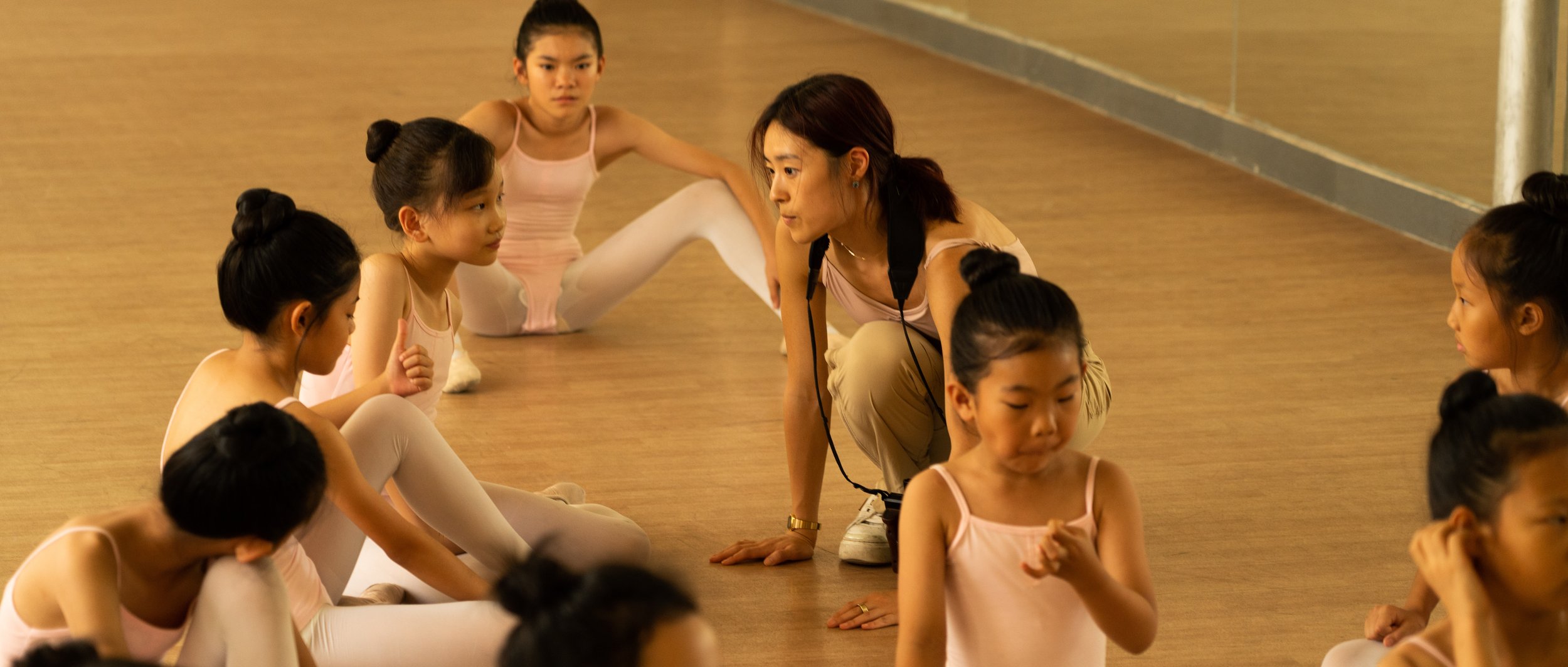
For the extreme close-ups, yeah. I just had my friend go for it.
Are you able to withstand it because of your experience with it as a kid, or are you just that tough?
After being pricked as a child, I can. It’s like my superpower now. I’m fine with big needles. I was thinking that this has to happen. I don’t know how to recreate this otherwise, so it’s necessary. I was dressed up like a 10-year-old ballerina.
“I always try to consider all perspectives no matter how much I judge them, to see what the function was or is in a certain culture. Ultimately I think it mirrors how I try to make sense of the world and conflicting ideas.”
I’m so taken with the journey you take the audience on with the film. I’m curious how you designed that journey, and was that always the destination or something you discovered as you were developing?
The ending came pretty late in the writing process. A lot of the early drafts ended with the rebellion and standing up to the teacher. I was also feeling rebellious in my own life and examining a lot of things. I always try to consider all perspectives no matter how much I judge them, to see what the function was or is in a certain culture. Ultimately I think it mirrors how I try to make sense of the world and conflicting ideas. The rebellion felt like my western side, saying, “This is wrong.” [It came from] my experience being in China and spending a lot of time with these people and learning about the root of all the violence and how childhood is a place where people get these impressions the strongest. This film is such a strong memory of my childhood. It was a full-circle moment to see this image of the hug.
I was also hanging out with my brother a lot, and kids have so much love in their hearts. They're so forgiving for the most part, which is both tragic and also a strength and probably a survival tactic. They’re so willing to accept things. All of that went into the final moment.
Why is filmmaking important to you?
There’s this park in San Francisco right outside my sister’s apartment, and there’s this big statue of a man, I forget his name, but he’s honored in this park because he had fought so hard to conserve all the parks, I think, in California, or across the country. This is all going to be wrong, actually, but what really moved me was how he spent his life fighting to conserve and protect these green spaces where you just walk or hang out, especially in San Francisco, which is becoming so gentrified by tech people, and everyone’s working and it’s all productivity and efficiency. Film to me is like protecting the green spaces within you. We all have pastures or these fields within us. They’re spaces that could easily be taken up by other things, maybe more productive things, more useful things, but they’re equally as important to being a human.
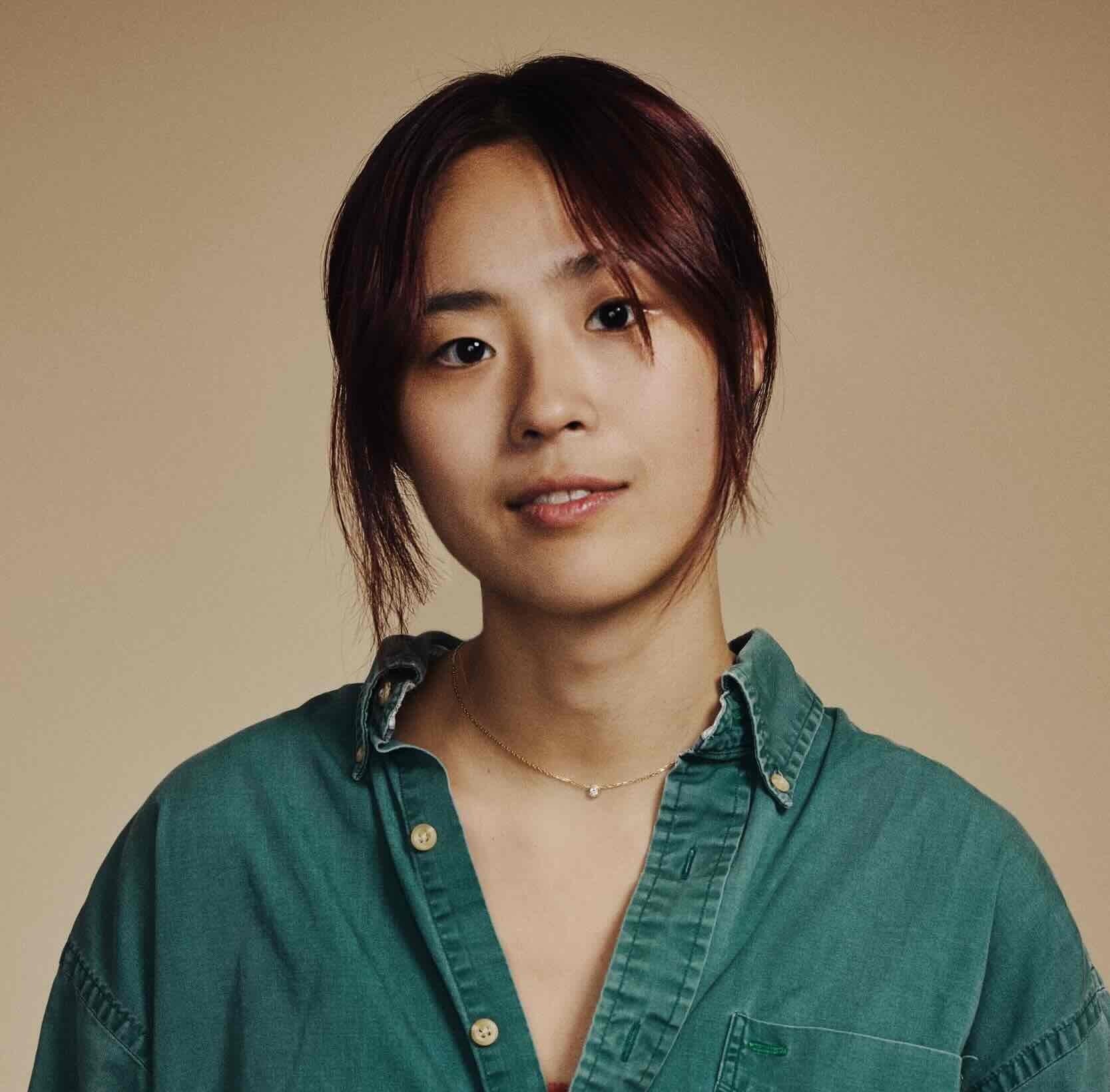
J Wang is a NYC-based filmmaker. Her work often follows outsiders trying to find connection and love, even in dire and absurd situations. She was a 2023 Steve Jobs Archive Fellow. She has a BFA from NYU Tisch for Film & TV and is getting her MFA at Columbia University.
You Might Also Like…
Little One